
How To
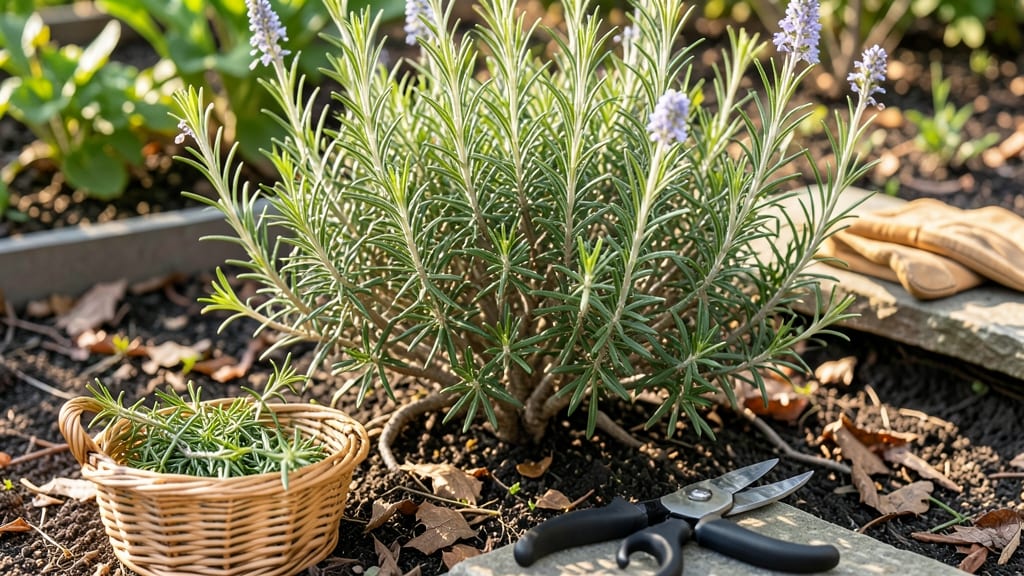
Harvesting rosemary the right way ensures it keeps growing strong and aromatic 🌿—and the secret lies in how, when, and where you trim.
Picture this: you’ve waited months for your rosemary to mature, only to snip too much at once and watch it wilt or stop producing. That’s the frustration I’m here to fix.
With the right techniques, you can harvest continuously without sacrificing growth—whether you’re snipping sprigs for cooking or shaping it into a lush shrub.
Timing matters most: harvest in the morning after dew has dried but before the heat sets in, and always cut just above a leaf node. This encourages new shoots to sprout, keeping your rosemary bushy and thriving.
I’ll walk you through the exact steps, including how to revive leggy stems and avoid over-harvesting pitfalls.
By the end, you’ll know exactly when to prune for flavor, how often to trim without stressing the plant, and the simple tricks to keep your rosemary producing for years. Let’s get started.


Best rosemary harvesting methods to encourage new growth
Harvesting rosemary correctly is the secret to keeping your plant lush and productive for years. Unlike many herbs, rosemary responds well to regular pruning—when done right, it rewards you with thicker growth and even more fragrant leaves.
The key lies in understanding the difference between light trimming for continuous harvests and hard pruning to revive overgrown stems. Let’s break down the exact techniques that work.
Your rosemary’s growth habit depends entirely on how you cut it. If you snip too aggressively or at the wrong time, you’ll end up with woody stems and sparse foliage.
But with the right approach—like targeting new growth and avoiding old wood—you’ll encourage your plant to branch out and stay compact. Even leggy rosemary can bounce back with the proper renewal pruning.
Choose the Right Time
Harvest rosemary in spring or early summer when the plant is actively growing. Avoid cutting back in late fall or winter—this is when rosemary enters dormancy and won’t regrow quickly. For year-round harvests, focus on light trimming rather than heavy pruning.
Use Clean, Sharp Tools
Always use sterilized pruners or sharp scissors to make clean cuts. Dull tools crush stems, which invites disease. Wipe your blades with rubbing alcohol between cuts to prevent spreading pathogens.
Trim for Continuous Harvests
For regular use, snip 1-2 inches from the tips of stems just above a leaf node. This encourages side branching and keeps the plant bushy. Never cut more than one-third of the foliage at once.
Revive Leggy Stems with Hard Pruning
If your rosemary looks woody or sparse, it’s time for a renewal prune. Cut back one-third to half of the oldest stems to just above a leaf node. This stimulates new growth from the base. Do this in early spring for best results.
Avoid Cutting into Old Wood
Rosemary won’t regrow from stems that are completely woody (no green leaves). If you see bare, brown stems, prune them off entirely. Focus cuts on green, flexible stems with leaf nodes.
Post-Harvest Care
After pruning, water lightly if the soil is dry, but avoid overwatering. Rosemary thrives in well-draining soil and can rot if left soggy. Mulch around the base to retain moisture without suffocating roots.
One of the biggest mistakes gardeners make is over-harvesting in one session. While rosemary is resilient, cutting back too much at once can shock the plant. Instead, space out your harvests—aim for every 4-6 weeks during the growing season. This keeps your rosemary compact and productive without stressing it.
If your rosemary starts looking woody or bare at the base, it’s a clear sign you’ve been pruning too late in the season or not enough. The solution? A hard prune in early spring to encourage fresh
When and how often to harvest rosemary for maximum yield
Timing your rosemary harvests correctly is the key to a thriving, aromatic plant that produces year after year. Unlike annual herbs, rosemary is a perennial shrub that rewards patience with bushier growth and stronger flavor.
The best time to harvest is during the active growing season—spring through early fall—when your plant is putting all its energy into new growth.
For maximum yield without stress, aim to harvest rosemary every 4-6 weeks during its peak growing months. This schedule gives your plant enough time to recover while keeping you supplied with fresh sprigs.
In late fall and winter, reduce harvesting to once every 8-12 weeks as growth slows naturally.
Watch for visual cues that your rosemary needs attention. Leggy stems or sparse foliage at the base signal it’s time for a renewal prune—cut back about one-third of the plant in early spring.
If your rosemary looks woody or bare in the center, this is your plant’s way of telling you to encourage outward growth by trimming the oldest stems.
Always use clean, sharp pruners to make cuts just above a leaf node. This simple technique ensures your rosemary regrows quickly and stays healthy. Avoid cutting into old, bare wood, as rosemary struggles to regrow from these stems. Instead, focus on green, flexible growth for the best results.
In container-grown rosemary, be extra cautious with harvest frequency. Pots dry out faster, and roots have limited space to recover. Reduce harvesting to every 6-8 weeks and always water deeply after pruning to support recovery.
With the right balance of harvesting and pruning, your rosemary will reward you with abundant, fragrant growth for years to come. The secret? Listen to your plant—it tells you exactly when it’s ready for another trim! 🌿✂️🌱