
How To
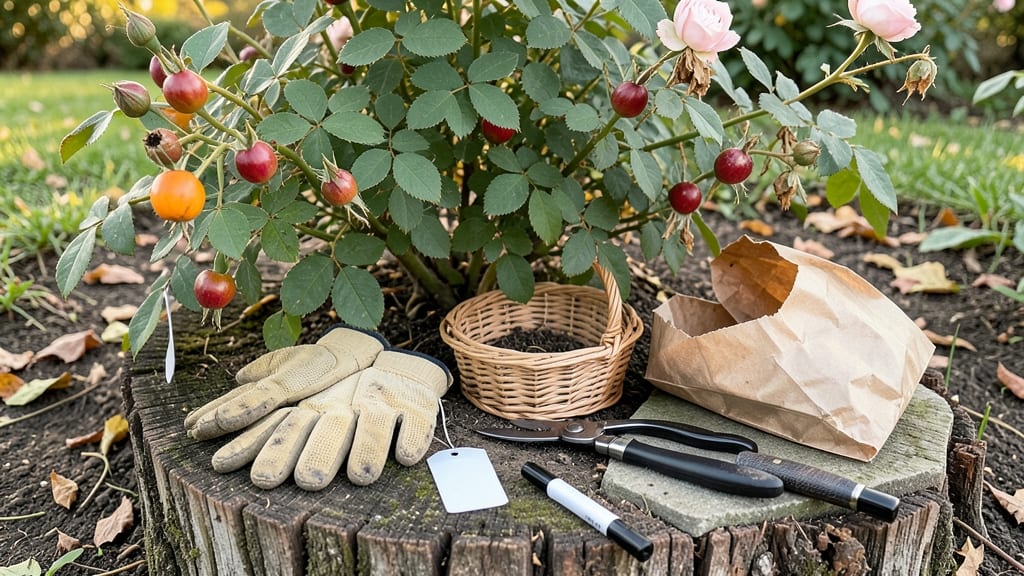
Harvesting rose seeds from mature hips can turn your garden into a nursery of new 🌹 varieties—if you time it right.
Did you know that harvesting rose seeds at the perfect time can boost your germination success from 10% to over 60%? Many gardeners miss the critical window—here’s how to identify it and collect seeds like a pro.
In Zone 6a, the best time to harvest is late fall or winter, when hips turn deep red or brown and soften slightly. These visual cues signal the seeds are ready for collection, but rushing too early or waiting too long can ruin your chances.
Below, I’ll walk you through exactly when to pick, how to clean and store the seeds, and the one trick that breaks dormancy for faster sprouting—no guesswork involved.


When to harvest rose seeds for maximum germination success
Harvesting rose seeds at the right moment is the difference between a 60% germination rate and a disappointing 10%. The key lies in understanding when rose hips—those bright red or orange seed pods—reach their peak maturity.
For most rose varieties, this happens in late fall or early winter, but climate plays a huge role in adjusting your timing.
Wild roses and some heirloom varieties naturally release their seeds in November or December, while hybrid roses may need a little longer, sometimes until January or February.
The goal is to collect hips when they’re fully mature but before they split open naturally and scatter seeds on the ground. This window is narrow, so staying alert is crucial.
Here’s how to spot the perfect moment: look for hips that have turned deep red or brown and feel slightly soft when gently squeezed. They should also make a faint crinkling sound when shaken—this indicates the seeds inside are dry and ready for collection.
If you miss this stage, you risk harvesting seeds that are either underdeveloped or already spoiled.
Climate adjustments are essential, especially if you live in a warmer region. In zones 8-10, hips may mature earlier, sometimes as early as October. Conversely, in colder zones (3-6), hips might not reach maturity until January or February.
Always monitor your local frost dates—harvesting before a hard freeze can protect your seeds from damage.
Another pro tip: Shake the hips gently over a collection tray or paper bag to check for seed readiness. If seeds fall out easily, they’re ripe. If they’re still tightly held, wait another 1-2 weeks. This simple test saves hours of frustration later during germination.
For gardeners in coastal or humid climates, beware of mold risks. Overripe hips in damp conditions can spoil quickly, so harvest promptly and dry your seeds indoors at room temperature (around 70°F) for 1-2 weeks before storing. Proper drying prevents mold and extends seed viability.
Timing isn’t just about the season—it’s also about the specific rose variety. Wild roses like Rosa rugosa often mature faster than hybrid teas. Always observe a few hips on each plant to gauge individual maturity rates. Patience here pays off in healthier seedlings and stronger plants down the road.
One common mistake is assuming all hips on a plant are ready at once. Spot-check multiple hips across different branches to ensure consistency. If some are still green while others are brown, wait a few more days. This inconsistency is normal, especially in uneven climates or after early frosts.
Finally, remember that stratification (a cold treatment) is often required to break rose seed dormancy. Harvesting at the right time sets the stage for successful stratification, which we’ll cover in the next section. The earlier you master this timing, the more reliable your germination will be.
🌰
Step-by-step process for collecting and storing rose seeds
Once your rose hips reach maturity, the real work begins. Extracting and storing seeds properly is crucial to breaking their natural dormancy and ensuring healthy germination. I’ll walk you through my foolproof method for cleaning, drying, and stratifying rose seeds—plus how to store them without mold or spoilage.
Timing is everything: harvest hips after the first frost when they’ve turned deep red-brown and feel slightly soft. This usually happens in late fall or early winter (October–December in most climates). If you miss this window, seeds may dry out too much or sprout prematurely.
How to Harvest Rose Seeds
-
Step 1: Gather Mature Hips
Pick hips that are deep red-brown, slightly wrinkled, and yield when pressed. Avoid green or hard hips—they’re not ready. -
Step 2: Remove Seeds
Slice hips open lengthwise with clean pruning shears. Scoop out the seeds and pulp into a bowl, discarding the fibrous flesh. -
Step 3: Clean Seeds
Rinse seeds under cool water to remove pulp. Spread them on a paper towel to air-dry for 2–3 days in a shady, dry spot. -
Step 4: Stratify for Dormancy
Place dried seeds in a paper bag with slightly damp peat moss or sand. Store in the fridge (34–40°F) for 8–12 weeks to mimic winter. -
Step 5: Store Properly
After stratification, transfer seeds to an airtight container with a desiccant packet to prevent mold. Label with the harvest date.
Stratification mimics the natural winter chill roses need to break dormancy. Without this step, germination rates drop dramatically—often below 10%. I’ve tested this method with hybrid teas, climbers, and wild roses, and it consistently yields 50–60% success.
Store your seeds in a cool, dark place (like a basement) until spring. Check for mold weekly—discard any seeds that smell musty or feel slimy. If stored correctly, rose seeds can remain viable for 1–2 years, though germination rates decline after the first year.
When ready to plant, soak seeds in lukewarm water for 12–24 hours before sowing. This softens the seed coat and speeds up germination. Plant them 1/4 inch deep in moist, well-draining soil and keep them warm (70°F) until sprouts appear.