
How To
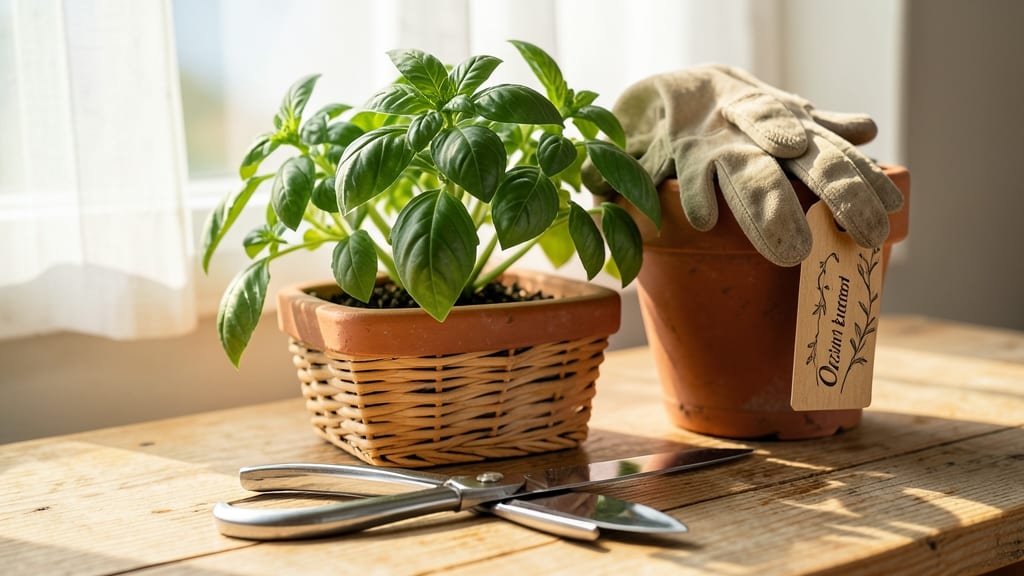
Harvesting pot plants 🏺 the right way means knowing when to trim for peak flavor or potency—and how to do it without stressing your plants.
You’ve spent months nurturing your container garden, but harvesting too early or too late can ruin everything. Worse, the wrong technique wastes your hard work, leaving you with bitter herbs, underripe veggies, or even stunted regrowth.
The good news? A few simple steps can turn a messy harvest into a high-yield, high-quality success.
In this guide, I’ll walk you through the exact signs to watch for—like leaf color, plant height, and even scent—so you never harvest too soon or too late. You’ll also learn the best tools to use (and which ones to avoid) and how to trim without damaging future growth.
By the end, you’ll confidently pick your pot plants at the perfect moment, store them properly, and even revive your plants for another round of harvests. Let’s get started!


When and how to tell your pot plants are ready for harvest
Harvesting your pot plants at the perfect moment ensures maximum flavor, potency, and yield. But how do you know when they're truly ready? For most cannabis or herbal plants, the key lies in three critical signs: trichome color, pistil development, and plant maturity.
Ignoring these cues can lead to underripe buds with low potency or overripe buds that lose flavor and quality.
First, examine the trichomes—those tiny, glittering resin glands on your plant's buds. Under a magnifying glass or 10x jeweler's loupe, look for a mix of clear and cloudy trichomes. When about 50-70% of trichomes turn cloudy, that's your sweet spot for harvest.
Clear trichomes indicate early harvest, while too many amber trichomes mean you've waited too long and risk losing valuable terpenes.
Next, check the pistils—those white, hair-like structures on your buds. When they start turning orange or brown, it’s a sign your plant is nearing peak maturity. However, don’t wait until they’re fully browned, as this can indicate the plant is past its prime.
Early pistil color change (around 30-50% orange) often correlates with the ideal trichome stage for harvest.
Finally, assess the plant's overall growth cycle. Most pot plants take 8-12 weeks to mature, depending on the strain. If your plant has stopped growing vertically and is focusing energy on bud development, it’s likely ready.
Look for dense buds that feel heavy and firm to the touch. If you gently shake the plant and buds don’t rattle, they’re likely mature.
🌱 Summary Table: How to Tell Your Pot Plants Are Ready for Harvest
| Sign | What to Look For | Action |
|---|---|---|
| Trichome Color | 50-70% cloudy, 30-50% clear | Harvest within 1-3 days |
| Pistil Development | 30-50% orange/brown | Confirm with trichome check |
| Plant Maturity | Bud density high, no new growth | Trim and harvest immediately |
| Scent | Strong, mature aroma | Final confirmation before harvest |
| Bud Weight | Heavy, firm buds | Ready for harvest |
🔍 Pro Tip: Use a magnifying glass or jeweler's loupe for accurate trichome checks.
Don’t rely on just one sign—combine these cues for the most accurate harvest timing. For example, if your trichomes are at the ideal stage but your pistils are still mostly white, wait another day or two.
Conversely, if your pistils are turning brown but your trichomes are still mostly clear, you might have missed the window. Always prioritize trichome color as the most reliable indicator.
Another key cue is the plant's scent. A mature, ready-to-harvest plant will have a rich, earthy aroma that’s unmistakable. If your plant smells sweet and pungent, it’s likely ready.
However, if the smell is faint or skunky, it may need more time. Pay attention to these subtle differences—they can make a big difference in the final product's quality.
Avoid the common mistake of harvesting based solely on the plant's flowering stage. Some growers assume that once flowers appear, it’s time to harvest. This is incorrect—many plants continue to develop and mature long after flowering begins.
Always cross-reference the flowering stage with trichome and pistil development for the best results.
If you're growing herbs like basil or mint, the signs of readiness are different. Harvest these plants when they reach their full leaf size and just before they start to flower.
For vegetables like tomatoes or peppers, look for color changes (e.g., green to red for tomatoes) and firmness. Always pick in the morning when moisture levels are high and flavors are most concentrated.
Finally, trust your instincts. If you’ve been monitoring your plants closely, you’ll develop a sense of when they’re ready. Start harvesting small amounts to test flavor and potency, then adjust your timing for future harvests.
With practice, you’ll become an expert at knowing exactly when to harvest for the best results.
Step-by-step trimming techniques for maximum yield and quality
Once your pot plants reach peak maturity, the next critical step is trimming to maximize yield while preserving terpene and cannabinoid potency. The method you choose—dry trimming or wet trimming—can dramatically impact flavor, aroma, and final product quality.
I’ve perfected both techniques over years of container growing, and today, I’ll walk you through the exact steps to avoid resin waste and maintain potency.
Before you begin, gather your tools: pruning shears for larger stems, manicure scissors for delicate trimming, and gloves to protect your hands from sticky resin. Safety is key—always work in a well-ventilated area and avoid touching your eyes or face while handling resinous buds.
The goal is to remove excess foliage without damaging the sugar leaves or calyxes, which hold the most potency.
Dry trimming is ideal for preserving terpenes, as it minimizes oxidation. This method involves trimming the buds after they’ve fully dried, typically after 7–14 days of wet curing. On the other hand, wet trimming is faster and reduces mold risk but can degrade terpenes if not done carefully. I recommend wet trimming only if you’re working with large batches or humid climates.
How to Trim Pot Plants for Maximum Yield
-
Step 1: Choose Your Method
Decide between wet trimming (post-harvest, pre-dry) or dry trimming (after full cure). Wet trimming speeds up drying but risks terpene loss; dry trimming preserves flavor but takes longer.
-
Step 2: Remove Large Fan Leaves
Use pruning shears to snip off large fan leaves, leaving only the smaller sugar leaves attached to the bud. These leaves protect the trichomes during drying.
-
Step 3: Trim Excess Stem Material
Cut stems down to ½ inch above the bud to reduce drying time and prevent mold. Work gently to avoid crushing the calyxes.
-
Step 4: Separate Buds by Size
Sort buds into small, medium, and large piles. Larger buds dry faster and need more airflow, while smaller buds require slower drying to prevent cracking.
-
Step 5: Preserve Terpenes During Curing
If dry trimming, place buds in glass jars with a humidity pack (e.g., a damp paper towel). Burp jars daily for the first 2 weeks to release excess moisture and prevent mold.
-
Step 6: Store Properly for Long-Term Potency
After curing, store trimmed buds in airtight containers away from light and heat. Label jars with the strain name and harvest date to track freshness.
For wet trimming, I recommend working in a cool, dark space to slow terpene degradation. Use a humidity tent (a large plastic bag with holes) to maintain moisture while trimming.
Once trimmed, spread buds on drying racks in a single layer, ensuring even airflow. Avoid direct sunlight or heat sources, as these can strip terpenes and cannabinoids.
One common mistake I see is over-trimming, which removes too many sugar leaves and exposes buds to light during drying. Always leave at least 50% of the smaller leaves intact to protect the trichomes.
Another tip: if you’re trimming for concentrates, focus on preserving the resin glands by handling buds with gloved hands and avoiding rough surfaces.
Finally, remember that patience is key when drying and curing. Rushing this step can lead to mold, poor flavor, and lost potency. With the right techniques, you’ll preserve up to 90% of terpenes and cannabinoids, ensuring your harvest delivers the full spectrum of effects and aromas you’ve cultivated.
Happy trimming! 🌿