
How To
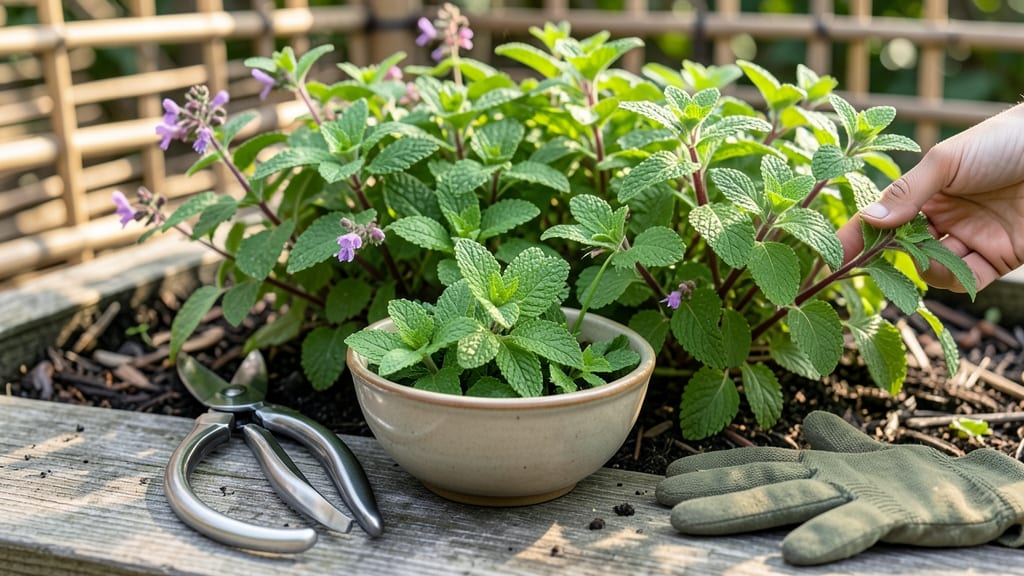
Harvesting peppermint at the right time and with the right technique turns your garden into a fragrant goldmine—here’s how to do it without killing your plant.
Peppermint isn’t just a refreshing herb—it’s a powerhouse in your garden, but knowing when and how to harvest it makes all the difference between potent oil and bitter disappointment.
If you’ve ever snipped stems too late, only to find them woody and flavorless, you know the frustration. The key is timing: aim for July through September when the stems are tall but still flexible, and the leaves are lush and aromatic.
A quick trim just above a set of leaves encourages bushier growth, so you’ll get more harvests all season.
Below, I’ll walk you through the best tools, step-by-step cutting techniques, and how to store your harvest so it stays fresh for teas, remedies, or cooking. Ready to turn those minty stems into something magical?


When to harvest peppermint: identifying woody stems & peak oil content
Harvesting peppermint at the right time ensures you get the most potent essential oils and lush regrowth. The key is timing—cut too early, and you miss peak flavor; wait too long, and those woody stems ruin everything.
I’ve learned the hard way that ignoring these signs leads to bitter, low-yield harvests.
Peppermint plants thrive when harvested before they develop hard, woody stems. These stems appear when the plant shifts energy from leaf growth to flowering. Once they form, the leaves lose their aromatic potency, and the oil content drops dramatically.
Think of it like waiting for coffee beans to fully ripen—too early, and they’re underdeveloped; too late, and they’re past their prime.
The best time to harvest is when your peppermint plants are 6-12 inches tall with dense, vibrant green foliage. At this stage, the leaves are rich in menthol and essential oils, making them perfect for teas, remedies, or drying.
Brush the leaves gently—if they release a strong minty scent, that’s your cue to harvest.
Seasonally, aim for late spring to early fall (June through August in most USDA Zone 6 regions). This aligns with the plant’s peak growth cycle, right before it starts flowering.
If you miss this window, don’t panic—just trim back any woody stems to encourage new growth, and you’ll get a second harvest in late summer.
Here’s what to watch for: yellowing leaves, stems that feel stiff (not flexible), or flower buds forming. These are red flags that your plant is past its prime. Ignore them, and you’ll end up with bitter, fibrous leaves that taste more like straw than mint.
Pro tip: Harvest on a dry, sunny morning after the dew has evaporated. This preserves the essential oil content and makes the leaves easier to handle. Avoid harvesting after rain—wet leaves bruise easily and can develop fungal issues like powdery mildew.
If you’re growing peppermint for culinary or medicinal use, focus on the younger leaves near the top of the plant. These are the most flavorful and potent.
For drying or oil extraction, you can harvest slightly older leaves, but always avoid any with woody stems—they’ll clog your drying racks and ruin your oil yield.
One mistake I see often is over-harvesting in a single session. Never take more than one-third of the plant at once. Peppermint is a perennial, and aggressive trimming can stress it, leading to woody regrowth or even death.
Think of it like pruning a bush—you want to encourage full, bushy growth, not bare stems.
To maximize your harvest, trim your peppermint every 4-6 weeks during the growing season. This keeps the plant compact and productive while preventing it from becoming woody and unmanageable. Just like deadheading flowers, regular trimming signals the plant to focus on leaf growth rather than flowering.
Remember, the goal is sustainable harvesting. A well-maintained peppermint plant can produce harvests for years, but only if you respect its growth cycle. Pay attention to those woody stems, and your garden will reward you with abundant, aromatic peppermint all season long.
Step-by-Step peppermint harvesting techniques: pruning for regrowth & oil yield
Harvesting peppermint isn’t just about cutting stems—it’s about encouraging bushier regrowth and maximizing essential oil yield. The right technique ensures your plant stays vigorous and produces aromatic leaves for months. Whether you're harvesting for tea, oil extraction, or culinary use, precision matters.
Timing is everything: harvest before flowering when leaves are fully developed and stems are 6-12 inches tall. This ensures peak minty potency and prevents the plant from becoming woody. Over-harvesting can stress your peppermint, so balance is key—especially if you're growing it for commercial essential oil production.
How to Harvest Peppermint for Maximum Yield
- 🌿 Step 1: Choose the Right Tools
- Use clean, sharp scissors or pruning shears for precise cuts.
- Avoid dull tools that crush stems and reduce oil yield.
- 🌱 Step 2: Identify Healthy Stems
- Select bushy stems with 3-4 sets of leaves.
- Avoid woody or flower-bearing stems—they’re past their prime.
- ✂️ Step 3: Make Clean Cuts
- Cut just above a leaf node (where new growth emerges).
- Leave at least 2-3 inches of stem to encourage regrowth.
- 🌿 Step 4: Harvest Strategically
- Remove no more than 1/3 of the plant at once to avoid stress.
- Harvest younger leaves first—they’re more potent in oil.
- 💧 Step 5: Post-Harvest Care
- Water deeply after harvesting to support recovery.
- Apply a light fertilizer (5-10-5) to encourage new growth.
After harvesting, your peppermint will regrow quickly if given proper care. To encourage bushier growth, pinch back new shoots to promote branching. This creates a denser plant with more leaves for future harvests. Avoid over-trimming, as this can lead to woody stems and reduced oil content.
Store harvested peppermint properly to preserve its aromatic qualities. Bundle stems and hang them in a dry, dark place for 1-2 weeks, or spread leaves on a paper towel to air-dry. For essential oil extraction, use fresh leaves within 24 hours of harvest for the highest potency.
Regular harvesting keeps your peppermint productive year-round (in frost-free zones). With the right techniques, you’ll enjoy abundant, aromatic leaves for teas, oils, and culinary uses—without sacrificing your plant’s health.