
How To
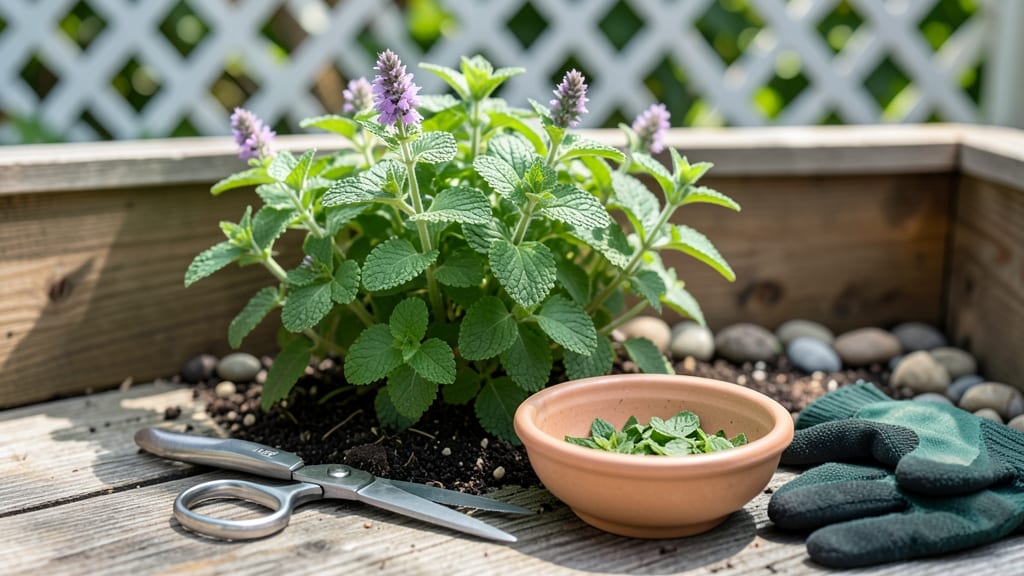
To harvest mint so it keeps growing, focus on cutting just above a leaf node with clean shears — this trick encourages bushier regrowth instead of leggy stems.
Struggling to keep your mint plant thriving after harvesting? Many gardeners accidentally stunt growth by using the wrong techniques—leading to sparse, leggy plants instead of lush, abundant harvests.
Mint thrives when you prune it regularly, but the key is knowing when and how much to cut. Over-harvesting weakens the plant, while precise trimming keeps it full and productive.
In this guide, I’ll walk you through the best methods for harvesting mint, including the ideal timing, tools to use, and how to revive a plant that’s lost its vigor.


The right way to harvest mint for continuous growth
Harvesting mint the wrong way can turn your lush green plant into a sad, leggy shadow of its former self. The key to continuous growth lies in timing, pruning technique, and knowing how much to cut without harming your plant.
When done right, your mint will stay bushy, aromatic, and ready for endless harvests all season long.
Mint thrives when you encourage new growth from the base of the plant. Unlike many herbs, it doesn’t need to be harvested in a way that leaves bare stems—this is where most gardeners go wrong.
By following a few simple steps, you can maintain a full, vibrant plant that keeps producing fresh leaves for months.
✂️ Step-by-Step Guide to Harvesting Mint for Bushy Growth
-
Step 1: Wait Until Leaves Are Mature
Harvest only when leaves reach 2-3 inches and have a strong minty aroma. Young leaves are less flavorful and won’t regrow as quickly. -
Step 2: Use Clean, Sharp Pruning Shears
Avoid tearing stems—use sterilized scissors or pruning shears to make clean cuts just above a leaf node (where new growth emerges). -
Step 3: Cut from the Top-Down
Never trim more than 1/3 of the plant at once. Start with the topmost stems to encourage bushier growth from lower nodes. -
Step 4: Avoid Flowering Stems
If you see flower buds, snip them immediately. Flowering signals the end of the plant’s productive cycle—removing them keeps energy focused on leaf growth. -
Step 5: Harvest Regularly (Every 4-6 Weeks)
Consistency is key! Mint grows back quickly—harvest every 4-6 weeks during peak season (June-October) to maintain a compact, bushy shape. -
Step 6: Fertilize After Harvesting
Feed with a balanced 10-10-10 fertilizer (1 tbsp/plant) 24 hours after pruning to support new growth. Use in early morning to avoid leaf burn.
One of the biggest mistakes I see is gardeners harvesting mint randomly from all sides, which leaves the plant looking ragged and stressed. Instead, focus on selective pruning—always cutting from the top or outer edges.
This method mimics natural growth patterns and encourages the plant to fill out beautifully.
Timing matters too. Harvest in the morning after dew has dried but before the midday sun intensifies. The leaves will be perkier and retain more flavor. Avoid harvesting in hot afternoons, as this can stress the plant and slow regrowth.
If your mint starts looking leggy or sparse after harvesting, it’s a sign you’ve over-pruned. Mint is resilient, but even it can’t recover from aggressive cuts. Next time, stick to 1/3 of the plant max and watch it bounce back with thicker, healthier stems within weeks.
Pro tip: Save your cuttings! Place harvested stems in a jar of water for a few days—they’ll root and become new plants. This is a great way to propagate mint and share with friends without spending a dime.
With these techniques, your mint will stay lush, flavorful, and ready for harvest all season. The secret? Treat it like a haircut—regular, gentle maintenance keeps it looking its best.
Mistakes that kill your mint plant’s growth after harvesting
Harvesting mint incorrectly can turn your thriving plant into a sad, leggy shadow of its former self. The key to keeping mint lush and productive lies in understanding what not to do after cutting those fresh leaves.
Many gardeners accidentally over-harvest or use wrong cutting techniques, which stresses the plant and slows growth. Even small mistakes like harvesting at the wrong time can trigger flowering or stunted regrowth.
I’ve seen mint plants go from vibrant green bushes to bare stems in just a few weeks because of these common errors. The good news? Avoiding these pitfalls is easier than you think.
By learning when to cut, how much to remove, and which stems to target, you’ll keep your mint bushy and full of flavor year-round. Let’s fix these mistakes before they ruin your harvest!
⚠️ 5 Fatal Mistakes After Harvesting Mint (And How to Fix Them)
1. Cutting too much at once – Never remove more than 1/3 of the plant in a single harvest. Over-harvesting stresses mint and reduces regrowth.
2. Pruning from the bottom – Always cut from the top third to encourage bushier growth. Bottom pruning creates leggy stems.
3. Harvesting before leaves mature – Wait until leaves reach 2-3 inches for maximum flavor and plant health.
4. Ignoring flower buds – Let buds form, then snip them immediately to prevent energy drain from the plant.
5. Harvesting in extreme heat – Avoid cutting during peak afternoon sun (12 PM–4 PM) to prevent shock.
One of the biggest mistakes is harvesting too aggressively in early spring. Young mint plants need time to establish roots before you take more than a few leaves. I’ve learned the hard way—when I cut back my mint plant in March, it took until June to recover fully.
Instead, wait until the plant has 6-8 healthy leaves before your first major harvest.
Another common error is using dull shears or tearing leaves by hand. Ragged cuts invite disease and slow recovery. Always use clean, sharp pruners and make cuts just above a leaf node.
This encourages new growth from the exact spot where you cut. I keep a small pair of pruners dedicated to herbs to avoid cross-contamination with diseased plants.
Timing matters too. Harvesting mint in the late afternoon gives the plant time to recover overnight. The plant’s natural sugars produced during daylight help it heal faster. I now make a habit of harvesting mint right after breakfast—before the sun gets too intense—so my plants bounce back quickly.
If your mint starts looking leggy or sparse after harvesting, don’t panic. The fix is simple: prune back by 1/3 and fertilize lightly with a balanced 10-10-10 mix. Water deeply the next morning, and your mint will perk up in about 2 weeks.
The key is consistency—avoid these mistakes, and your mint will stay lush and productive for years.