
How To
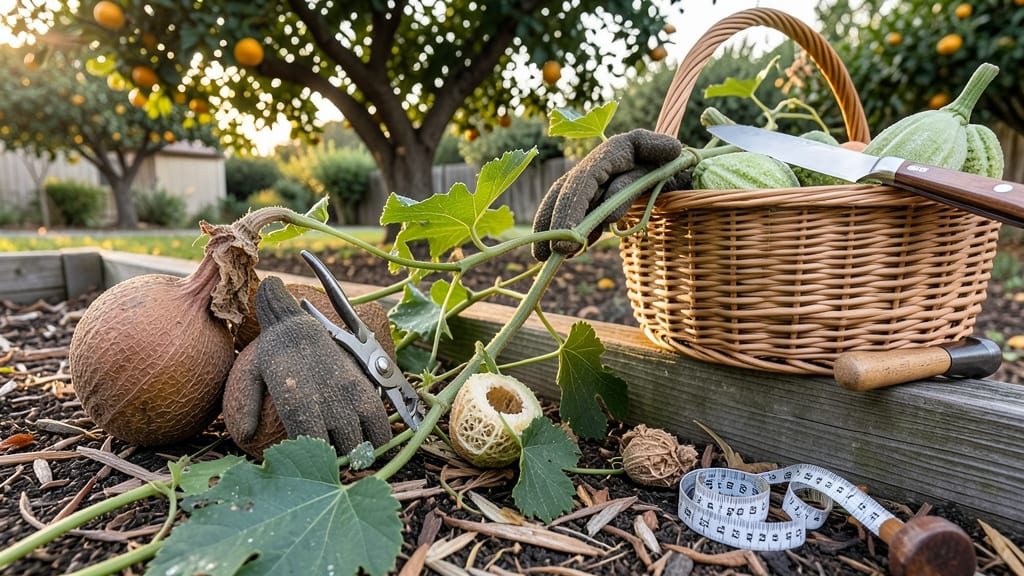
Harvesting loofah sponges at the right time turns your 🪣 loofah vines into ultra-smooth, long-lasting bath essentials—or a tough, useless mess if you wait too long.
Picture this: you’ve nurtured your loofah plant all season, watching those vines climb and thicken, only to pull a sponge that’s still green and squishy. That’s the perfect timing problem most gardeners face—and it’s easier to fix than you think.
In this guide, I’ll walk you through the exact signs to watch for (like that telltale yellow-brown hue or the rattle of seeds inside) and the step-by-step process to clean, dry, and store your sponges so they last for years.
You’ll also discover how to avoid the three biggest mistakes—like harvesting too early or drying them wrong—that turn great sponges into moldy disappointments.


When to harvest loofah sponges: ideal growth stages for perfect texture
Harvesting loofah sponges at the right time transforms your loofah vines into luxurious, smooth-textured bath tools. The key lies in recognizing visual maturity cues and understanding the ideal seasonal timing for your climate.
Miss this window, and you’ll end up with fibrous, unusable gourds instead of the plush sponges you crave.
Loofahs typically reach harvest readiness 90-120 days after planting, but visual signs trump calendar dates. The vine color shifts from vibrant green to a dull yellowish-brown, while the rind hardens like a dry, rough shell. These changes signal the perfect harvest stage for maximum sponge quality.
| Growth Stage | Visual Cues | Rind Texture | Harvest Time |
|---|---|---|---|
| Early Maturity | Green vine, firm rind | Soft, flexible | Not ready |
| Ideal Harvest | Yellowish-brown vine, dried leaves | Hard, rough, seeds rattle | September-October |
| Overripe | Brown vine, brittle leaves | Woody, cracked | Too late |
| Seed Test | Shake loofah | Seeds rattle = ready | Confirm harvest |
The rind hardness is your best indicator—press your fingernail against the loofah surface. If it doesn’t dent, it’s ready. For extra assurance, shake the loofah: if the seeds inside rattle, you’ve hit the sweet spot for harvest.
This internal dryness ensures a smooth sponge texture after processing.
Seasonal timing matters too. In USDA Zone 6a, aim for late September to October when daytime temps drop below 75°F. Warmer climates may extend harvest into early November, but avoid frost exposure, which can ruin sponge quality.
Always harvest before the first frost to preserve that ideal texture.
Another critical cue is the vine’s leaves. When they turn crispy and fall off naturally, the loofah is nearing peak ripeness. This leaf senescence signals the plant is redirecting energy to seed maturation, making the rind tougher and more fibrous—perfect for sponge-making.
If you’re growing loofahs for dual purposes (sponges and trellising), prioritize harvesting the oldest vines first. These mature loofahs yield the best sponge texture, while younger vines can continue producing for companion planting or ornamental use. This strategic harvesting maximizes both yield and garden aesthetics.
Regional climates play a role too. In southern states with longer growing seasons, you might harvest as late as November, while northern gardens should aim for mid-September to avoid early frost damage. Always monitor weather forecasts and adjust your harvest timeline accordingly.
One common mistake is harvesting based on size alone. A large loofah isn’t necessarily ripe—it could still be soft and fibrous. Always check the rind hardness and seed rattling first. Skipping these steps leads to poor sponge quality and wasted effort.
For ultra-smooth sponges, harvest on a dry, sunny morning after dew has evaporated. This reduces moisture on the vine surface, preventing mold growth during the drying process. Store harvested loofahs in a well-ventilated area for 1-2 weeks to ensure complete drying before cleaning.
Pro tip: Mark your planting date and track growth stages in a gardening journal. This helps you predict harvest windows more accurately in future seasons. Over time, you’ll develop an eye for perfection—turning your
Step-by-step loofah harvesting process: from vine to sponge prep
Harvesting loofah sponges at the right time turns your tall, vigorous vines into soft, fibrous bath essentials—but timing and technique make all the difference. Once you spot yellowish-brown rinds and crispy leaves, action is needed fast.
Grab your tools and follow this foolproof process to avoid moldy messes or uneven drying.
First, gather your supplies: a pair of sharp pruning shears, a bucket for soaking, a drying rack or trellis, and a soft brush for cleaning.
Work on a dry, sunny day to speed up the drying process and prevent rot. Pro tip: Wear gloves—loofah skins can be prickly when mature!
Step-by-Step Loofah Harvesting Guide
-
Step 1: Cut the Loofahs
Use sterilized pruning shears to snip the loofahs from the vine, leaving a 1-inch stem. Harvest in the morning when moisture levels are low. -
Step 2: Rinse Thoroughly
Soak the loofahs in lukewarm water for 10 minutes to remove dirt. Scrub gently with a soft brush to avoid damaging the fibers. -
Step 3: Dry in Sunlight
Hang loofahs on a drying rack or trellis in direct sunlight for 5-7 days. Rotate daily for even drying. -
Step 4: Peel the Skin
Once fully dry, peel off the outer rind using your fingers or a knife. The inner fibers should now resemble a soft sponge. -
Step 5: Clean the Fibers
Rinse the peeled loofahs in vinegar water (1:3 ratio) to remove residual sap. Let air-dry completely before storing.
Never rush the drying process—uneven drying leads to mold or weak fibers. If your climate is humid, extend drying time to 10-14 days or use a dehumidifier nearby. Store finished sponges in a cool, dry place wrapped in breathable fabric to maintain their softness.
Avoid harvesting overripe loofahs—they’ll crumble instead of yielding smooth sponges. If you miss the window, save the seeds for next year’s garden! With practice, you’ll master the art of turning tough vines into luxurious sponges every season.
🪣