
How To
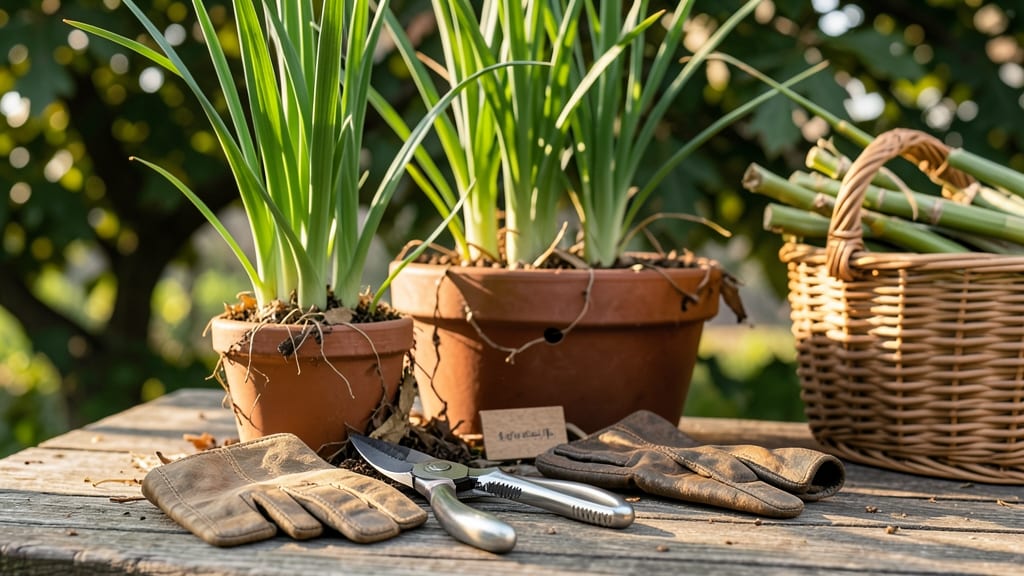
To harvest lemon grass at its peak flavor and without stunting your plant, focus on the stems when they’re 12–18 inches tall and bend without snapping.
If your lemon grass plants are thriving but you’re unsure when to harvest—or how to do it without damaging the plant—you’re not alone. The secret lies in the stems: when they bend without snapping, they’re ready for the perfect harvest.
This simple trick ensures you get the most aromatic stems while keeping your plant healthy for future growth. Below, I’ll walk you through the exact cutting technique, the best tools to use, and how to store your harvest so it stays fresh longer.
You’ll also discover how to revive your lemon grass after harvesting so it keeps producing bold, fragrant stems for months—no guesswork, just consistent flavor.


When to harvest lemon grass: the bend test explained
Harvesting lemon grass at the right time ensures you get the most flavorful stems while keeping your plant healthy for future growth. The bend test is my go-to method for determining when lemon grass is ready.
When the stems bend slightly at the base without snapping, they’re perfectly mature and packed with essential oils.
Lemon grass typically reaches harvest readiness 6-12 months after planting, depending on your climate and growing conditions. In warmer zones like USDA Zone 6 and above, you can often harvest as early as 90 days if the plant receives full sun and consistent moisture.
The ideal stem thickness for harvest is between 1-2 inches at the base. This woody texture signals maturity and maximum oil content. Thin stems (under 1 inch) are still growing and won’t have developed the full citrus aroma you crave in cooking.
Visually, mature lemon grass should stand 12-18 inches tall with fully unfurled leaves that emit a strong citrus scent when crushed. The leaves should also be a vibrant green, not yellowing or brown at the tips, which can indicate stress or overmaturity.
| Harvest Indicator | Specification | Action |
|---|---|---|
| Stem Height | 12-18 inches | Measure from base to leaf tips |
| Base Thickness | 1-2 inches | Gently squeeze to feel woody texture |
| Bend Test | Bends without snapping | Grasp stem 2 inches from base |
| Leaf Development | Fully unfurled, fragrant | Crush leaves to test aroma |
| Seasonal Timing | Spring to early fall | Avoid harvesting during frost |
Seasonal timing plays a crucial role in lemon grass harvests. In spring and summer, when growth is most vigorous, you can harvest every 4-6 weeks without stressing the plant.
However, during late fall and winter, growth slows, and harvesting should be minimal to avoid weakening the plant before dormancy.
Environmental factors like temperature and sunlight also influence harvest readiness. Lemon grass grown in full sun (6+ hours daily) will mature faster than those in partial shade. If your plant is in a container, ensure it’s at least 12 inches deep to support robust root development before harvesting.
One common mistake is harvesting lemon grass too early, which results in thin stems with weak flavor. Always wait until the base reaches 1-2 inches in diameter and the plant passes the bend test. This ensures you’re getting the most potent and flavorful stems for your recipes.
After harvesting, leave at least 6-8 inches of stem above the soil to encourage regrowth. The plant will sprout new shoots from the base within 2-4 weeks, provided it receives proper care like consistent watering and balanced fertilization during the growing season.
Pro tip: Store harvested lemon grass by wrapping the stems in a damp paper towel and placing them in a plastic bag in the fridge.
This preserves freshness for up to 2 weeks, allowing you to enjoy the harvest over time while your plant recovers for the next cycle.
Step-by-step guide to harvesting lemon grass without killing the plant
Now that you’ve identified your lemon grass is ready for harvest, the next step is cutting it correctly to ensure both a fresh yield and future regrowth. The key is precision—avoiding the base of the plant while harvesting the outer stems first.
Using the right tools and technique makes all the difference in keeping your plant healthy and productive.
Before you begin, gather your supplies: a sharp pair of pruning shears or a clean knife, gloves (optional but helpful), and a bowl or container to hold your harvest. Always sanitize your tools with rubbing alcohol to prevent disease transmission between cuts.
This simple step protects your plant’s health and ensures a longer lifespan for your lemon grass.
How to Harvest Lemon Grass: Step-by-Step
- Step 1: Identify the outer stems 🌿 Focus on the mature outer stems (12–18 inches tall) that are thickest and most fragrant. These are ready for harvest while leaving the inner, younger stems to continue growing.
- Step 2: Hold the stem firmly ✂️ Grip the stem about 2–3 inches above the base where it meets the soil. This prevents accidental damage to the plant’s crown.
- Step 3: Make a clean cut 🌱 Use your sanitized shears or knife to cut the stem at a 45-degree angle. This increases the surface area for water absorption, helping the plant recover faster.
- Step 4: Avoid cutting too low ⚠️ Never trim below the lower third of the stem. Cutting too close to the base can weaken the plant and stunt regrowth.
- Step 5: Harvest 2–3 stems at a time 🌿 To avoid overstressing the plant, harvest only 2–3 stems per session. This balance ensures your lemon grass stays healthy and continues producing.
After harvesting, store your lemon grass properly to maintain its freshness. Wrap the stems in a damp paper towel, place them in a plastic bag, and refrigerate for up to 2 weeks.
For longer storage, freeze the stems whole or chop them and store in an airtight container for up to 6 months. This preserves their aromatic oils for future use in cooking or teas.
One common mistake is harvesting too aggressively, which can leave your plant looking ragged and struggling to recover. Always prioritize leaving the inner stems intact—they’re the future harvests waiting to grow.
With the right technique, your lemon grass will bounce back stronger, ready for your next harvest in just 4–6 weeks.
Pro tip: If your lemon grass starts to yellow or wilt after harvesting, it’s a sign of over-harvesting. Adjust your frequency and focus on nurturing the plant back to health with proper watering and sunlight. Your patience will pay off with a bountiful, long-lasting harvest.