
How To
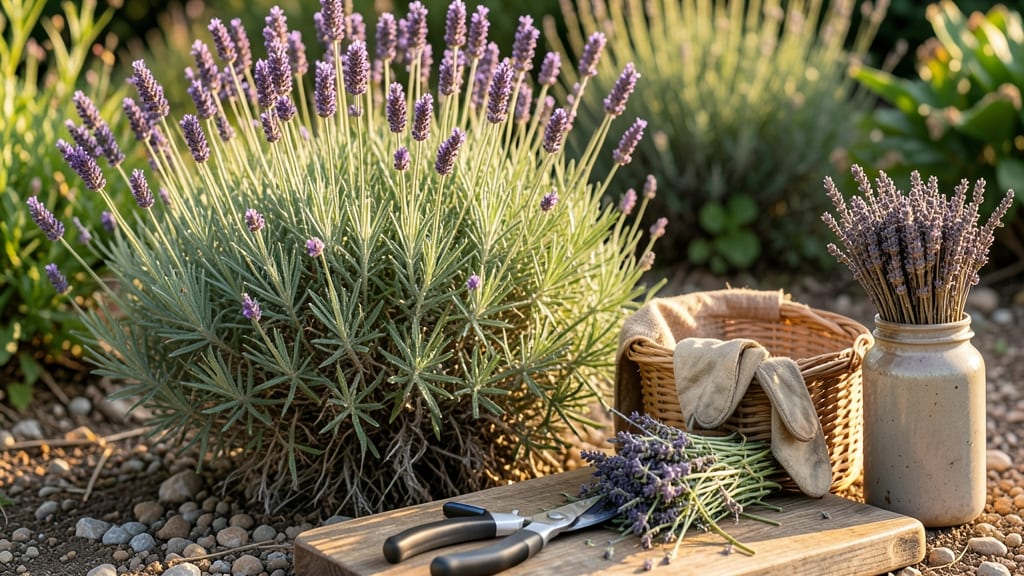
To harvest lavender at its peak fragrance and oil content, cut stems just before the buds fully open 🌿—this is when the scent and therapeutic properties are strongest.
Harvesting lavender at the wrong time can turn your fragrant garden into a woody mess—missed peak scent, poor drying results, and even stunted plant growth. Timing, technique, and post-harvest care make all the difference between a therapeutic harvest and a wasted effort.
Most gardeners in USDA Zone 6a should harvest between July and September, when the buds are purple but still closed. If you wait too long, the flowers open, the scent fades, and the stems become tougher to dry properly.
In this guide, I’ll walk you through the exact steps—from choosing the right tools to drying your harvest—so you maximize yield, preserve that signature lavender aroma, and keep your plants thriving for years to come.


When to harvest lavender for maximum fragrance and oil content
Timing your lavender harvest is an art that blends science and observation. The peak fragrance and oil content occur when flowers are fully formed but not yet open, typically 1-2 weeks before full bloom.
This window captures the highest essential oil concentration, which is crucial for sachets, oils, and culinary uses. Missing this stage means weaker scent and lower-quality dried buds.
Most lavender varieties—like English lavender and French lavender—reach harvest readiness in mid-to-late summer, usually between July and September in temperate climates. However, regional differences matter: gardeners in USDA Zone 7 may harvest as early as June, while those in cooler coastal areas might wait until August.
Always check your local frost dates to avoid late-season damage.
Climate plays a surprising role. In hot, dry regions, lavender often blooms earlier, while cooler, humid areas delay flowering. For example, California’s Mediterranean climate allows harvests as early as June, whereas Pacific Northwest gardeners might wait until late July.
Pay attention to local weather patterns and adjust your timing accordingly.
Here’s the golden rule: Harvest when 20-30% of buds are open but still purple and tightly closed. Overlooking this cue means sacrificing aromatic potency and drying quality.
Use your fingers to gently crush a bud—if it releases a rich, floral scent, it’s ready. If it smells weak or green, wait a few days.
| Harvest Stage | Visual Cues | Best Time of Day | Regional Adjustments |
|---|---|---|---|
| Early Bloom | 20-30% buds open, purple | Morning (dew-free) | Hot climates: June-July |
| Peak Bloom | 50% buds open, scent strong | Late morning | Temperate: July-August |
| Late Bloom | 70%+ buds open, scent fading | Early afternoon | Cool climates: August-September |
| Overripe | Buds fully open, brownish | Avoid | Never harvest |
✂️ Pro Tip: Harvest on a dry, sunny morning after dew evaporates to prevent mold and preserve fragrance.
Avoid harvesting first-year lavender plants, as they focus energy on root growth rather than flowering. Wait until your plant is at least 12 inches tall and has established a sturdy base.
For mature plants, you can harvest 2-3 times per season, spacing cuts 6-8 weeks apart to allow for regrowth. Over-harvesting weakens the plant and reduces future yields.
Weather conditions on harvest day matter just as much as timing. Cloudy or humid mornings can lead to moldy bundles, while hot afternoons cause buds to wilt before drying.
Aim for mild temperatures (60-75°F) and low humidity. If rain is forecast, harvest early and dry your lavender indoors immediately to prevent spoilage.
Did you know? Lavender’s essential oil content peaks at 20-30% bud openness—harvesting later reduces oil yield by up to 40%. This is why professional lavender farmers use color charts to track bud development.
For home gardeners, a simple scent test (crush a bud between your fingers) is all you need to gauge readiness.
Regional adjustments are key. In Mediterranean climates, lavender may bloom as early as May, while northern European gardeners often wait until late July. Even within the U.S., Southern California lavender is ready in June, but New England plants might not be until August.
Always observe your specific lavender variety’s behavior—some, like Spanish lavender, bloom later than English types.
One common mistake is harvesting woody stems that have already flowered. These stems contribute little to scent or oil but drain the plant’s energy. Always cut just above a leaf node to encourage new growth.
For dwarf varieties, use sharp scissors to avoid damaging tender stems, while standard lavender can be cut with pruners for cleaner cuts.
To maximize future harvests, never cut more than one-third of the plant in a single session. This ensures your lavender retains enough foliage to photosynthesize and store energy for next year’s blooms.
With proper timing and care, a single plant can yield 1-2 pounds of dried lavender per season—enough for sachets, oils, and even homemade potpourri.
Step-by-step lavender harvesting techniques to preserve quality
Harvesting lavender correctly ensures you capture its peak fragrance and essential oil content while keeping your plants healthy. The right technique prevents woody stems and maximizes future blooms.
I’ve learned that cutting at the wrong time or with the wrong tools can ruin both your harvest and your plant’s long-term growth.
Before you begin, gather your harvesting tools—sharp pruners or shears work best to avoid crushing stems. Avoid using dull scissors, as they can damage the plant and reduce fragrance quality.
I always harvest on a dry, sunny morning after the dew has evaporated, which helps the stems dry faster and preserves their scent.
How to Harvest Lavender
- 1 Identify the right stems: Look for stems with fully formed buds that are just about to open. These will have the strongest scent and highest oil content.
- 2 Cut stems at the right length: Harvest stems that are at least 12-18 inches tall. Cut just above a leaf node or side branch to encourage new growth from that spot.
- 3 Use the right technique: For large harvests, use hands-off cutting—grab a handful of stems and snip them all at once. For delicate stems, hand-pick individual stems to avoid crushing nearby buds.
- 4 Avoid over-harvesting: Never remove more than one-third of the plant in a single harvest. This ensures your lavender has enough energy to regrow and flower next season.
- 5 Bundle stems immediately: Tie harvested stems into small bundles with twine or rubber bands. This keeps them upright and allows air to circulate, which is crucial for even drying.
After harvesting, I always trim the woody bottoms off the stems to create a clean base for drying. This step is often overlooked but makes a huge difference in how well your lavender dries and retains its color.
Place your bundles in a well-ventilated, dry area out of direct sunlight to prevent fading.
One common mistake I see is harvesting lavender when the buds are fully open. This reduces both the fragrance intensity and the essential oil yield. Always aim to harvest when the buds are purple but still closed—this is the sweet spot for quality.
With the right technique, you’ll enjoy a bountiful harvest that smells amazing and keeps your plants thriving for years.
Pro tip: If you’re harvesting for culinary or essential oil use, prioritize the youngest, most fragrant stems. Older stems may still dry well but often have a weaker scent and lower oil content. 🌿