
How To
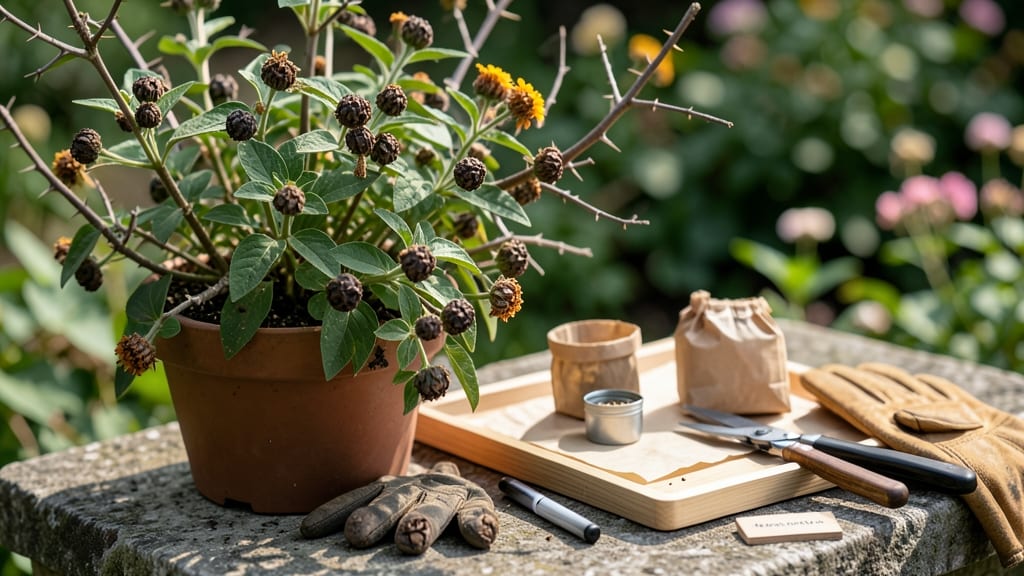
Harvesting lantana seeds from dried flower heads is the easiest way to grow more of these sun-loving plants 🌸—and timing matters more than you’d think.
Picture this: your lantana is a riot of color all summer, but those vibrant blooms eventually fade into brown, papery husks. That’s when the real magic happens—if you miss the window, the seeds inside lose viability fast.
In this guide, I’ll walk you through exactly when to spot those ready-to-harvest pods, how to collect them without damaging the seeds, and the best drying and storage tricks to keep them viable for years.
You’ll also discover why some seeds sprout like crazy while others stubbornly refuse—plus, my go-to germination hack that cuts waiting time in half.


When and how to identify lantana seeds ready for harvesting
Harvesting lantana seeds at the perfect moment transforms your garden from seasonal blooms to year-round propagation potential. The key lies in watching for visual maturity cues that signal seeds are ready to collect.
When you spot dried brown flower heads and cracked seed pods, that's your green light to act before seeds scatter naturally.
Timing matters most—aim for late summer to early fall when lantana flowers complete their life cycle. This 60-90 day window after flowering ensures seeds reach peak viability. Missing this window means risking immature seeds that won't germinate properly or overripe seeds that lose vigor.
Here's what to watch for: completely brown flower clusters that feel crispy to the touch, pods that split open when gently squeezed, and dark seeds inside that rattle when shaken. These signs confirm your seeds are ready for harvest and primed for successful germination.
| Sign | Ready Seeds | Not Ready Seeds |
|---|---|---|
| Flower Head Color | Completely brown and dry | Green or partially brown |
| Pod Texture | Crispy and paper-thin | Firm and leathery |
| Seed Appearance | Dark brown, firm seeds | Light-colored, soft seeds |
| Pod Sound | Rattles when shaken | Silent or muffled |
| Harvest Season | Late summer to fall | Spring or early summer |
Distinguishing viable seeds from non-viable ones requires close inspection. Healthy seeds will be dark brown and firm to the touch, while immature seeds appear light-colored and squishy. For maximum success, collect seeds when at least 70% of pods show these maturity signs—this ensures a strong batch for germination.
Pro tip: Harvest on dry mornings after dew has evaporated. This prevents moisture damage to your seeds during collection. Use clean, sharp pruning shears to snip entire flower heads rather than trying to extract seeds individually—this preserves seed integrity and makes processing easier later.
Once you've identified ready seeds, act quickly. Lantana seeds remain viable for 2-3 years when stored properly, but freshly harvested seeds germinate at 85% success rates. Waiting too long reduces germination potential, so prioritize drying and storage immediately after harvest.
Remember that lantana seeds require scarification or stratification for best results. This process mimics natural weathering to break seed dormancy. I'll cover these germination techniques in the next section—stay tuned for tips on maximizing your seedling success!
For gardeners in USDA Zone 6a, aim to harvest by mid-October before the first frost. Cold temperatures can reduce seed viability, so plan your harvest timing around your local frost dates.
When in doubt, err on the side of earlier harvests—you can always dry seeds slowly if needed.
🌿
Step-by-step guide to harvesting and drying lantana seeds
Once you've identified your lantana seeds as ready for harvest, the next step is carefully extracting them to preserve seed viability. The process is gentle but precise—overhandling can damage the tiny seeds or reduce their germination potential.
I recommend working on a clean, dry surface like a paper towel or tray to catch any seeds that might fall during extraction.
Timing is everything when harvesting lantana seed pods. If you wait too long, the pods may shatter and scatter seeds across your garden. On the other hand, harvesting too early means the seeds won't be fully mature, leading to poor germination rates.
Aim to collect seeds when the flower heads are completely brown and crispy, but before they split open naturally.
- Small pruning shears or clean scissors to snip dried flower heads
- Paper towels or a clean tray to collect seeds
- Brown paper bags for storing harvested pods
- Optional: Fine-mesh screen for separating seeds from debris
- Use your pruning shears to carefully cut the dried flower heads from the plant, leaving a small stem attached
- Place harvested pods in your paper bag immediately to prevent seed loss
- Label the bag with the lantana variety and harvest date for tracking
- Spread a paper towel on a flat surface and place the dried pods on it
- Gently squeeze each pod between your fingers to release the small brown seeds
- Use a fine-mesh screen (if available) to sift through debris and collect pure seeds
- Air-drying: Spread seeds in a single layer on a screen or paper towel in a warm, dry place for 3-5 days
- Oven-drying (optional): Place seeds on a baking sheet at 120°F (49°C) for 1-2 hours, stirring occasionally
- Transfer dried seeds to an airtight container (like a glass jar or envelope)
- Add a desiccant packet to absorb moisture and prevent mold
- Store in a cool, dark place (like a fridge) for up to 2+ years
After extracting your lantana seeds, you'll need to dry them properly to ensure long-term storage. I prefer air-drying because it's gentle and mimics natural conditions, but oven-drying can speed up the process if you're short on time.
Just be careful not to overheat—the seeds should feel dry to the touch but not brittle.
Proper seed storage is key to maintaining viability. I store my dried lantana seeds in paper envelopes inside a sealed container with a silica gel packet to absorb any moisture.
Label each container with the harvest year and lantana variety to keep your seed collection organized. With this method, I've successfully germinated seeds stored for over 2 years!
Once your seeds are fully dried and stored, you're ready for the next step: germination. Remember, lantana seeds can be tricky—some gardeners swear by scarification (lightly sanding the seed coat) to improve germination rates.
I'll cover those pro tips in my next section, but for now, enjoy the satisfaction of knowing you've preserved your own lantana seeds for future gardens! 🌱