
How To
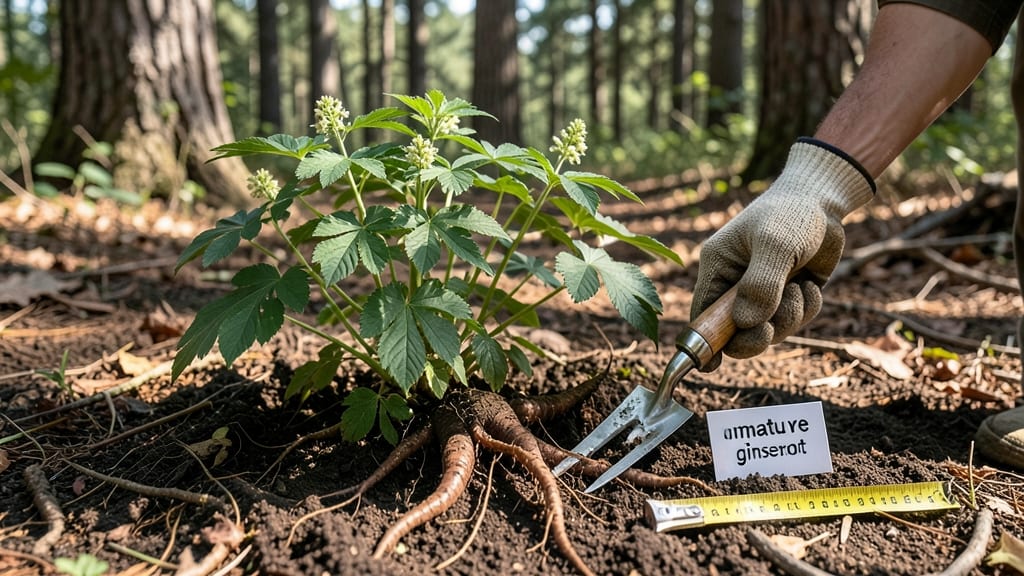
To harvest ginseng 🌿 properly, you need to know when and how to pull the roots without damaging their value — and timing is everything.
Harvesting too early means losing out on the full potency of a mature root, while waiting too long risks spoilage or even losing the plant entirely. Most gardeners miss the subtle signs that signal the perfect moment, like the yellowing leaves or the fibrous root depth.
In this guide, I’ll walk you through the exact steps to check root readiness, the best moon phases for harvesting, and how to handle the roots afterward to keep them fresh and potent for years.
Whether you’re a first-time grower or a seasoned cultivator, these proven techniques will help you harvest ginseng like a pro — without the guesswork.


Ginseng root depth check: how to determine harvest readiness
Harvesting ginseng too early or too late can ruin months of careful cultivation. The key to a successful harvest lies in understanding root depth, plant age, and seasonal cues. Unlike annual crops, ginseng requires patience—roots need 4 to 6 years to reach their full medicinal potential.
I’ve learned that even a 1-inch difference in root depth can mean the difference between a premium-quality root and one that’s barely marketable.
Start by examining the foliage. Mature ginseng plants show yellowing leaves in early fall, signaling the plant is redirecting energy to its roots. This is your first visual cue that harvest season is near.
However, don’t rely solely on leaves—root depth and fibrous development are equally critical. A well-developed root system will have multiple secondary roots branching out, often reaching 6 to 12 inches deep.
- 1 Check plant age: Ginseng must be at least 4 years old for harvest. Younger roots lack the complex branching needed for potency. Mark planting dates or use plant tags to track growth.
- 2 Assess foliage: Look for yellowing leaves in late summer or early fall. Healthy green leaves mean the plant isn’t ready. Use a moisture meter to confirm soil moisture—roots need well-drained but damp conditions.
- 3 Measure root depth: Gently dig around the outer edges of the root system. A mature root should extend 6 to 12 inches deep with multiple secondary roots. Use a trowel or root rake to expose the full depth without damaging the root.
- 4 Inspect root texture: A ready-to-harvest root feels firm and fibrous, not shriveled or mushy. Run your fingers along the root—it should have a rough, knobby texture with visible root hairs. Avoid harvesting if roots feel soft or waterlogged.
- 5 Verify soil conditions: The soil should be cool and moist but not soggy. Waterlogged soil can cause root rot, while dry soil stresses the plant. Test soil 1 inch below the surface—it should feel like a well-wrung sponge.
One common mistake I see is gardeners harvesting based on root size alone. A large root doesn’t always mean maturity—it could be a single, thick primary root without the branching secondary roots that indicate true potency.
Always dig down to check the full depth of the root system. If the root is mostly shallow with minimal branching, give it another year.
Timing is also critical. Harvest ginseng in late September or early October when the first frost is approaching. This ensures the plant has completed its energy storage for winter. I’ve found that harvesting too early—even if roots look large—can result in underdeveloped secondary roots, reducing the root’s medicinal value.
If you’re unsure about the root’s readiness, perform a partial excavation test. Carefully dig around one side of the root to expose its depth and structure. This lets you assess maturity without fully disturbing the plant.
If the root meets your criteria, mark the spot and plan to harvest it in 2 to 4 weeks for optimal results.
Another pro tip: Avoid harvesting ginseng after a prolonged dry spell. Drought-stressed roots can become brittle and cracked, making them prone to damage during harvest. Keep the soil consistently moist leading up to harvest by watering deeply every 7 to 10 days.
This ensures the roots are plump and ready for handling.
Finally, never harvest ginseng from wild populations unless you’re an experienced forager. Sustainable cultivation requires licensed land and adherence to local regulations. For home gardeners, focus on cultivated roots—they’re more predictable and ethically sourced.
With patience and careful observation, you’ll harvest ginseng roots that are rich in ginsenosides and ready for drying or storage.
Remember, the best time to harvest is when the plant signals readiness—not when you’re impatient for a harvest. A well-timed ginseng harvest rewards you with high-quality roots that can be used for teas, tinctures, or medicinal preparations for years to come. 🌿
Moon phase secrets for harvesting ginseng: best times and Taboos
Harvesting ginseng under the right moon phase isn’t just old folklore—it’s rooted in centuries of traditional gardening wisdom. The lunar cycle influences plant vitality, and ginseng, with its delicate root system, thrives when harvested during specific phases.
For maximum potency and storage life, timing matters just as much as technique.
Most experienced growers swear by harvesting during the waning moon in fall, particularly between the third quarter and new moon. This phase aligns with nature’s downward energy, helping roots store nutrients efficiently.
Avoid the full moon or waxing moon—these phases can make roots watery or prone to spoilage.
Key Taboos: Never harvest during a blue moon or when the moon is in Aries or Libra, as these positions are believed to weaken the root’s energy. Also, steer clear of harvesting during eclipses or when the moon is in retrograde, as these celestial events can disrupt the plant’s vitality.
For optimal results, harvest ginseng on a waning crescent moon in September or October, when the plant’s energy naturally shifts downward. This phase ensures roots are dense, fibrous, and packed with active compounds.
Always harvest after a light rain—moist soil makes roots easier to extract without damage.
Traditional growers also recommend avoiding metal tools during harvest, as they can disrupt the root’s energy. Use wooden or bamboo tools instead, and never wash roots immediately after harvesting. Let them air-dry slightly first to preserve their medicinal properties.
If you’re harvesting wild ginseng, respect sustainable practices: never take more than 10% of a patch, and always leave at least 3 roots per plant to ensure regeneration. The moon’s influence extends beyond timing—it’s also about harmony with nature.