
How To
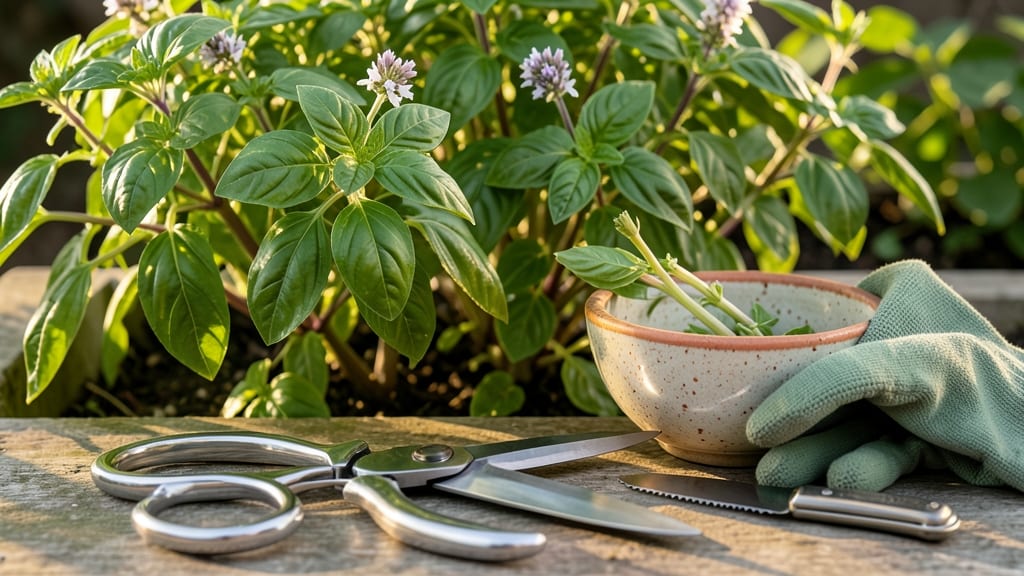
To harvest fresh basil properly, focus on the stem just above a leaf node—this simple technique keeps your plant thriving and your kitchen stocked with flavorful leaves all season.
Fresh basil isn’t just a kitchen staple—it’s a fast-growing powerhouse that rewards proper harvesting with bigger, bushier plants and more flavorful leaves. But mastering the pinch-and-snip technique is key to avoiding woody stems and maximizing your harvest.
Many gardeners make the mistake of cutting leaves randomly, which weakens the plant and slows regrowth. Instead, you’ll learn the exact spots to trim, how often to harvest, and when to stop before flowering steals your crop’s potential.
By the end, you’ll know how to store your harvest—whether refrigerated, dried, or frozen—and avoid the most common pitfalls that turn a thriving basil plant into a sad, leggy shadow of its former self.


The perfect pinch-and-snip technique for basil harvesting
Harvesting basil correctly can transform your plant from a single-stemmed weakling into a bushy, high-yielding powerhouse. The secret lies in the pinch-and-snip method, which encourages new growth while preserving flavor.
Unlike many herbs, basil responds beautifully to regular pruning—the more you harvest, the more it produces—but only if you do it right.
Start harvesting when your basil reaches about 6-8 inches tall with at least 6-8 true leaves. This is the ideal time to begin pruning, as the plant has enough energy to recover and regrow.
Waiting too long risks woody stems and bitter-tasting leaves, while harvesting too early can stunt growth. The key is to always cut just above a leaf node—this is where new branches will sprout.
After harvesting, give your basil a light fertilizer boost to encourage regrowth. Use a balanced 10-10-10 fertilizer diluted to half-strength, applied in the morning. This helps replenish nutrients lost during pruning. Within 7-10 days, you’ll see new growth sprouting from the nodes where you cut.
For container-grown basil, the pinch-and-snip method is even more critical. Since roots are confined, regular pruning prevents the plant from becoming root-bound and stressed. In containers, I harvest every 2-3 weeks during peak growing months (June-August) to maintain a compact, bushy shape.
Just be sure to water thoroughly after pruning to reduce stress.
One of my biggest mistakes early on was cutting stems too close to the base. This left no leaf nodes for new growth, and the plant struggled to recover. Now, I always leave at least 2-3 sets of leaves below my cut to ensure the stem can regenerate.
Think of it like trimming your hair above the roots—you want to preserve the growth engine!
Pro tip: Store freshly harvested basil by wrapping stems in a damp paper towel and placing them in a resealable plastic bag. This mimics the plant’s natural humidity and keeps leaves crisp for up to 10 days in the fridge.
For long-term storage, dry the leaves in a shady, well-ventilated area for 2-3 days before crumbling them into flakes.
With the right pinch-and-snip technique, your basil will thrive all season long, giving you continuous harvests of sweet, aromatic leaves.
The more you prune correctly, the more your plant will reward you with lush regrowth and bold flavor—proof that a little effort goes a long way in the garden! ✂️🌿💚
When and how often to harvest basil for maximum yield
Timing your basil harvests is everything—cut too early, and you’ll stunt growth; wait too long, and the flavor fades while stems turn woody. The key lies in understanding your plant’s growth stages and adjusting your schedule accordingly.
For seedling basil, wait until they reach 6 inches tall before making your first cuts, as earlier harvesting stresses delicate young plants.
Once your basil hits maturity (around 8-12 inches), you’ll enter the prime harvesting window. This is when your plant can handle more frequent leaf pinching and stem snipping.
The frequency of harvests depends on your climate—outdoor basil in warm seasons may need weekly trims, while indoor plants thrive with bi-weekly maintenance to prevent legginess.
Here’s how seasonal variations impact your schedule: in spring and fall, basil grows slower, so stretch harvests to every 2-3 weeks. During summer’s peak, when heat accelerates growth, you can harvest every 7-10 days without harming the plant.
Over-harvesting in summer risks shocking the plant, while under-harvesting in cooler months leads to flower spikes that ruin flavor.
| Growth Stage | Indoor Basil Schedule | Outdoor Basil Schedule | Key Harvest Cues |
|---|---|---|---|
| Seedlings (0-6 in) | None (wait until 6 in) | None (wait until 6 in) | 4-6 true leaves appear |
| Mature (6-12 in) | Every 2-3 weeks | Every 1-2 weeks | Dark green leaves, 4+ inches tall |
| Flowering | Immediate pruning | Immediate pruning | Bud appearance (remove flowers) |
| Summer Peak | Every 7-10 days | Every 5-7 days | Rapid new growth |
🌱 Note: Outdoor basil grows faster due to more sunlight and warmth.
Harvesting too frequently can stress your basil, while infrequent harvesting leads to flowering spikes that ruin flavor. Aim to remove only 1/3 of the plant per harvest—this balance encourages bushier regrowth.
For example, if your basil has 12 stems, trim 4 stems at a time, always cutting just above a leaf node where new growth emerges.
One common mistake is harvesting individual leaves instead of entire stems. This damages the plant’s structure and slows regrowth. Always use your thumb and forefinger to pinch stems just above a leaf pair, or use clean pruning shears for thicker stems.
After each harvest, watch for new shoots emerging from the leaf nodes—this signals your plant is thriving under your care.
To extend your basil’s harvest season, consider seasonal adjustments. In late summer, reduce watering slightly to slow growth before cooler months. If frost threatens, harvest all remaining leaves and bring potted basil indoors for a final indoor harvest.
With proper timing, you can enjoy fresh basil for up to 6 months from a single planting!