
How To
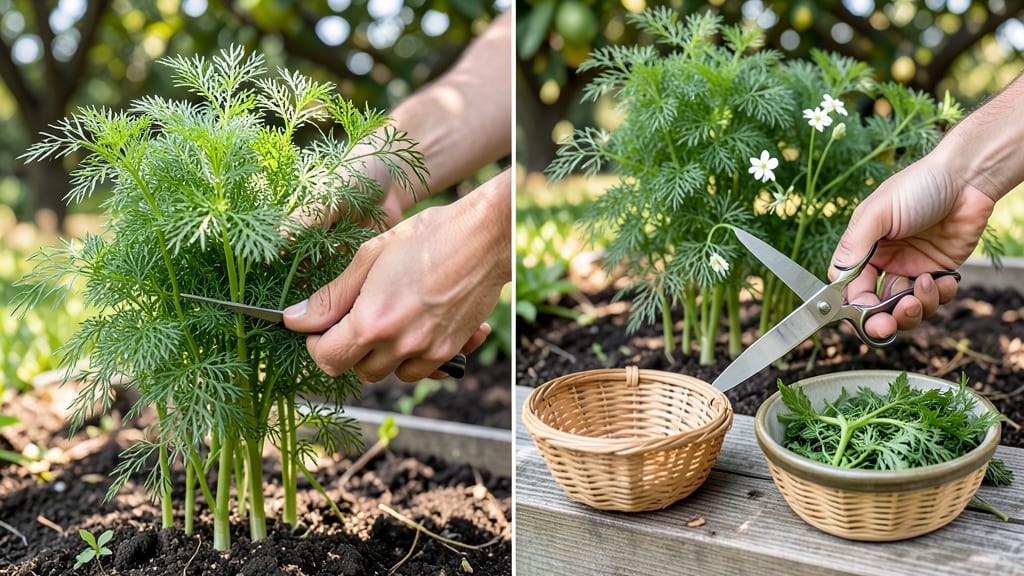
Harvesting dill weed at the right time ensures bold flavor and keeps your plants thriving 🌿—here’s exactly when and how to do it without wasting a single leaf.
Picture this: you’ve nurtured your dill from tiny seeds to lush green stalks, only to realize you’ve waited too long—now the leaves taste bitter and the stems are woody.
That’s a common mistake, but the good news? Knowing the three key signs of readiness means you’ll never miss the perfect harvest window again.
Dill is one of those herbs where timing truly matters. Pick too early, and the flavor is mild; wait too long, and you’re left with tough stems and seeds instead of tender leaves.
The secret lies in watching for fully developed leaves, a firm stem, and—if you want seeds—the first hints of flower buds.
In this guide, I’ll walk you through the step-by-step process, from the best tools to use to how to store your harvest so it stays fresh for weeks.
Whether you’re making soups, garnishing fish, or saving seeds for next year, you’ll learn how to get the most out of every plant.


3 Clear signs your dill plants are ready for harvesting
Harvesting dill weed at the right time ensures the best flavor and aroma for your cooking. If you wait too long, the leaves become bitter and tough, while harvesting too early means missing out on the full potential of your plants.
The key is watching for these three clear signs that your dill is ready to pick.
First, pay attention to the plant height. Dill typically reaches 12-18 inches before it's fully mature enough to harvest. This height signals that the leaves have had enough time to develop their signature anise-like aroma.
If your plants are still shorter, give them a few more weeks to grow.
Next, examine the leaves themselves. Ready-to-harvest dill leaves should be large, lush, and fully formed, with a vibrant green color. When you crush a leaf between your fingers, it should release a strong, fresh scent. If the leaves are small or lack aroma, they’re not yet ready.
Finally, check the stems and overall structure of the plant. Mature dill has sturdy, upright stems that feel firm to the touch. If the stems are soft or leaning, the plant may need more time—or it could be struggling with overwatering or poor sunlight.
Timing your harvest also depends on the season and your goals. For the best leaf flavor, harvest before the plant flowers—typically between 60-75 days after sowing. If you want to save dill seeds for next year, wait until the flowers form and turn brown.
One common mistake is waiting until the plant is too tall or flowering. Once dill bolts and flowers, the leaves become bitter and less flavorful. To avoid this, I recommend harvesting regularly every 2-3 weeks starting when the plant hits 12 inches.
For continuous harvests, never cut more than one-third of the plant at a time. This encourages bushier growth and ensures your dill keeps producing fresh leaves. Use clean, sharp scissors to snip stems just above a leaf node to promote new growth.
Pro tip: Harvest in the morning after dew has dried but before the heat of the day. This preserves the oil content in the leaves, keeping their flavor at its peak. Store harvested dill in the fridge for up to 1 week or dry it for long-term use.
By watching for these three key signs—height, leaf maturity, and stem firmness—you’ll always know when your dill is at its best. Happy harvesting! 🌿
Step-by-step harvesting techniques for maximum flavor and regrowth
Harvesting dill weed at the right time and with the proper technique unlocks its bright, citrusy flavor while encouraging your plants to grow bushier. Unlike many herbs, dill thrives when you prune regularly, so don’t wait until the last minute—consistent harvesting keeps your plants productive all season.
Whether you're snipping leaves for soups or saving seeds for next year, these steps ensure you get the most from your dill plants.
Before you grab your shears, know that harvesting leaves gives you the best flavor, while waiting for flower heads lets you collect seeds for future planting. The key is balance: take too much too soon, and your plant may struggle; take too little, and you miss peak flavor.
With the right approach, you’ll enjoy fresh dill for months and even prolong your harvest into fall.
- Step 1: Choose the right tools Use sharp, clean pruning shears or scissors to avoid crushing stems. A small knife works for individual leaves, but shears make quick work of multiple stems.
- Step 2: Identify what to harvest For leaf harvests, pick outer stems just as flower buds begin to form. For seeds, wait until flower heads turn brown and dry.
- Step 3: Cut at the base Hold the stem firmly and cut 1-2 inches above ground level. Avoid cutting into the main stem to encourage new growth from the base.
- Step 4: Harvest regularly Pick every 2-3 weeks to maintain bushy growth. Never remove more than 1/3 of the plant at once.
- Step 5: Store properly Rinse leaves gently, pat dry, and store in a sealed container with a paper towel in the fridge for up to 10 days. For long-term storage, dry stems upside down in a dark, airy space.
When harvesting dill leaves, focus on the outer stems first—these are the most mature and flavorful. If you’re after seeds, let 10-20% of the plant flower and dry naturally.
Once the seeds turn brown, simply snip the seed heads and store them in a paper bag until ready to plant. This dual approach ensures you get both fresh herbs and next year’s crop.
To encourage bushier regrowth, always cut just above a set of leaves or side shoots. This signals the plant to branch out rather than grow taller. After each harvest, give your dill a light drink of water and a morning dose of sunlight to help it recover quickly.
With consistent care, your dill plants can produce harvests for 6-8 weeks or longer.
Pro tip: If your dill starts to bolt too early (sending up tall flower stalks), reduce watering slightly and prune aggressively to redirect energy into leaf growth. This trick works especially well in hot summer months when dill tends to mature quickly.
With these techniques, you’ll enjoy homegrown dill that rivals store-bought—and with none of the bitter aftertaste.