
How To
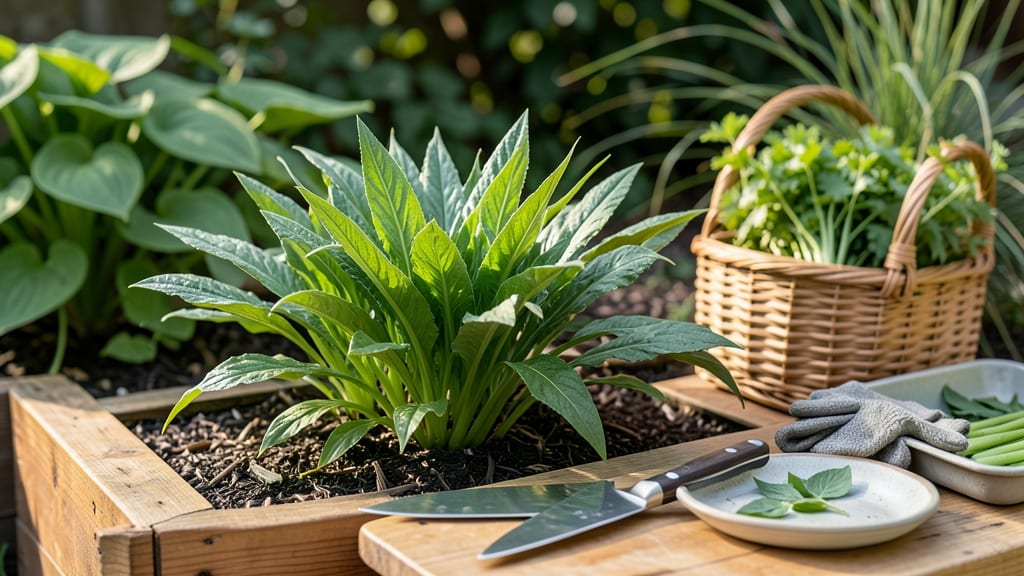
To harvest culantro 🌿 at its peak flavor, you’ll want to cut leaves just above a node—this simple trick keeps your plant thriving while you enjoy the freshest taste.
Picture this: you’re about to chop up a handful of leaves for your favorite dish, only to realize they’re bitter or woody. That’s the sign you’ve waited too long to harvest.
Culantro is at its best when leaves are 4-6 inches long and still tender, and knowing the right moment makes all the difference.
Harvesting isn’t just about timing—it’s also about technique. Snip the outer leaves first, leaving the inner ones to grow, and always use clean scissors or fingers to avoid damaging the stems. This way, your plant stays healthy and keeps producing flavorful leaves for months.
In this guide, I’ll walk you through the exact steps to harvest culantro like a pro, from recognizing the perfect leaves to storing them so they stay fresh longer. You’ll also learn how to avoid common mistakes that can stress your plant and reduce future yields.


When and how to harvest culantro leaves for optimal flavor
Harvesting culantro at the right time ensures your plant stays productive while delivering the brightest flavor. Unlike cilantro, culantro’s leaves grow larger and more robust, making them perfect for continuous harvesting.
The key is timing—wait until leaves reach 4-6 inches long before cutting, as this balances flavor and regrowth potential.
I’ve found that harvesting young leaves regularly encourages bushier growth, while waiting too long can make stems woody and reduce flavor. Culantro thrives when you trim strategically, avoiding the main stem to keep the plant healthy.
Let’s break down the exact cutting techniques and harvesting signs to maximize your yield.
-
1. Leaf Size Matters
Harvest when leaves reach 4-6 inches—this ensures peak flavor and prevents bitterness. -
2. Cut Above Leaf Nodes
Use sharp scissors to snip just above where leaves meet the stem, encouraging new growth. -
3. Avoid the Main Stem
Never cut into the central stem—this can kill the plant. Focus on outer leaves first. -
4. Harvest Frequency
Pick leaves every 2-3 weeks to maintain a steady supply without over-stressing the plant. -
5. Watch for Over-Harvesting
If leaves turn yellow or growth slows, you’re harvesting too much. Let the plant recover for 4-6 weeks.
Timing your harvests correctly also depends on the season. In spring and summer, culantro grows aggressively, so you can harvest more frequently. However, as temperatures drop in fall, growth slows, and you’ll want to reduce harvesting to avoid stressing the plant.
One common mistake is cutting too close to the base, which can expose the stem and lead to rot. Always leave at least 1-2 inches of stem attached to the leaf cluster.
This small adjustment makes a big difference in how quickly your culantro bounces back with fresh, flavorful leaves.
Pro tip: If your culantro starts to bolt (flower), it’s a sign to harvest immediately. The leaves lose their delicate flavor once the plant flowers, so trim everything before this happens. You can even replant seeds from the flowers if you want to extend your harvest season.
For container-grown culantro, harvesting is even simpler because you can rotate the pot to ensure even sunlight exposure. This helps the plant grow uniformly, making it easier to find mature leaves ready for picking.
Just be mindful of root-bound conditions, which can stress the plant and reduce its ability to recover from harvesting.
Finally, always harvest on a dry, sunny morning to allow leaves to dry slightly before storing. This prevents moisture buildup, which can lead to mold.
A quick rinse under cold water and a gentle shake to remove excess moisture will keep your culantro fresh for up to 1 week in the fridge.
By following these harvesting guidelines, your culantro will stay productive, flavorful, and healthy for months—giving you a steady supply of this versatile herb for all your favorite dishes. 🌿
Step-by-step culantro harvesting process with tools and tips
Harvesting culantro correctly ensures your plant stays healthy while delivering the freshest leaves for cooking. The key lies in timing, tools, and technique—all of which I’ll break down below to maximize your yield without stressing the plant.
Whether you're using sharp scissors or your fingers, these steps will keep your culantro thriving for months.
Before you begin, gather your harvesting tools. A pair of clean, sharp pruning shears or scissors is ideal for larger harvests, while your fingers work perfectly for smaller leaves.
Avoid dull tools—they can crush stems and damage the plant. I also recommend having a small bowl or container nearby to collect your leaves and prevent them from scattering.
-
Step 1: Identify Mature Leaves
Look for 4-6 inch leaves that are fully opened and vibrant green. These are ready for harvest, while smaller leaves should stay on the plant to support growth. -
Step 2: Choose Your Tool
For individual leaves, pinch them off just above a leaf node (where new leaves grow). For larger harvests, use sharp scissors to cut stems at a 45-degree angle. -
Step 3: Harvest Strategically
Avoid cutting into the main stem—this can stunt growth. Instead, focus on outer leaves or leaf clusters to encourage bushier regrowth. -
Step 4: Harvest Frequency
Harvest every 2-3 weeks to maintain a steady supply. Over-harvesting weakens the plant, so leave at least half the leaves intact for photosynthesis. -
Step 5: Store Properly
Rinse leaves in cool water, pat dry, and store in a sealed container with a paper towel in the fridge for up to 1 week. For longer storage, freeze leaves in an ice cube tray with water or oil.
One of my pro tips is to harvest in the morning after dew has dried but before the sun peaks. This ensures the leaves are freshest and retain their aromatic oils.
If your culantro starts to bolt (send up flower stalks), harvest the entire plant immediately—flavors become bitter once flowering begins.
To encourage regrowth, trim leaves just above a leaf node or pair of leaves. This signals the plant to produce new growth from that point. After harvesting, give your culantro a light fertilizer with a balanced NPK ratio (like 5-10-5) to replenish nutrients lost during the process.
If you’re growing culantro in containers, rotate the pot every few weeks to ensure even sunlight exposure. This prevents leggy growth and keeps the plant compact and healthy. With the right harvesting habits, your culantro will reward you with a continuous supply of flavorful leaves all season long.
🌿