
How To
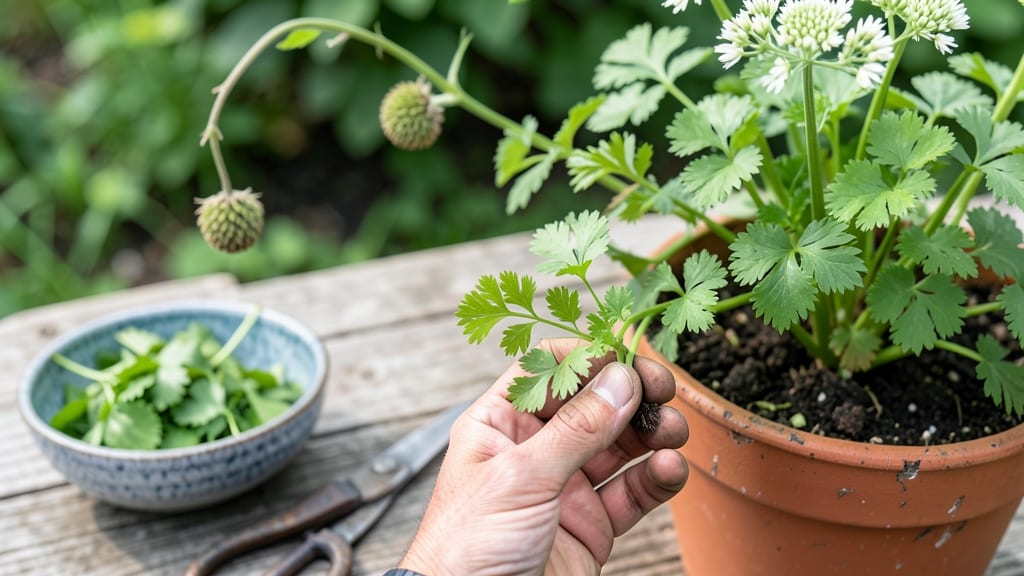
To harvest coriander plant leaves at their peak flavor, you need to know the three key signs that say "now!" — and timing matters more than you think.
Picture this: you’ve nurtured your 🌿 coriander for weeks, only to snip the leaves too early and end up with mild, underwhelming flavor. Or worse, you wait too long, and the plant bolts, leaving you with bitter stems instead of the fresh, zesty herbs you crave.
The difference between these outcomes? Knowing when to pick.
Harvesting coriander isn’t just about cutting leaves—it’s about encouraging regrowth while preserving that bright, citrusy taste. Whether you’re growing it in pots on your windowsill or in a garden bed, the right technique ensures you get a steady supply of flavorful leaves (and seeds, if you’re patient enough).
In this guide, I’ll walk you through the exact steps to harvest coriander without damaging the plant, plus when to pick for the best flavor and how to store your harvest so it stays fresh longer. Ready to turn your kitchen garden into a flavor factory?


3 Key signs your coriander leaves are ready for harvesting
Harvesting coriander at the right moment transforms your garden into a flavor factory. The difference between zesty, fresh leaves and bitter, woody stems often comes down to timing.
I’ve learned that visual and tactile cues are your best friends here—ignore them, and you might end up with herbs that taste more like soap than spice.
First, let’s talk about the ideal leaf size. Coriander leaves should reach about 4 to 6 inches in height before you even consider harvesting. Smaller leaves lack the robust flavor you crave, while waiting too long risks the plant bolting—sending up a flower stalk that turns your herbs bitter.
Think of it like waiting for a ripe tomato: too soon, it’s bland; too late, it’s tough.
Next, pay attention to the stem thickness. When your coriander’s stems start feeling slightly woody to the touch, it’s a clear signal to harvest soon. Thin, tender stems mean you’re still in the sweet spot for flavor.
I always run my fingers along the stems—if they feel firm but not hard, that’s your cue to grab those shears.
Finally, the plant’s overall height gives you another clue. Coriander typically grows to 12 to 18 inches tall when ready for harvest. If your plant is reaching for the sky with long, lush leaves but hasn’t bolted yet, you’re golden.
This is when the leaves develop their signature bright, citrusy aroma—crush a few between your fingers to test.
🌿 How to Harvest Coriander Plant: 3 Key Visual Cues
- 1
- 2
- 3
💡 Pro Tip: Always harvest in the morning after dew has dried—this ensures the brightest flavor and longest shelf life.
One mistake I see often is harvesting only the outer leaves. While this works, it can leave the plant looking uneven and stressed. Instead, I recommend cutting stems back by 1/3 to encourage bushier growth.
This method also prevents the plant from bolting prematurely, which is especially critical in hot climates or during long summer days.
If you’re growing coriander for both leaves and seeds, timing becomes even more critical. The leaves should be harvested before the plant bolts, while the seeds are ready once the pods turn brown and dry.
I’ve found that separate plants work best for this—one for leaves, one for seeds—to avoid missing the window for either harvest.
Another trick I’ve picked up is to harvest leaves in stages. Start with the outer leaves first, then work your way inward. This keeps the plant looking full and healthy while still giving you a steady supply.
Plus, it reduces stress on the central stem, which can help delay bolting.
Harvesting too early is just as bad as waiting too long. Small, sparse leaves lack the complex flavor you’d get from fully mature foliage. I always check for aroma—if crushing a leaf doesn’t release that bright, citrusy scent, it’s not ready.
Think of it like waiting for coffee beans to fully ripen—rushing the process dulls the flavor.
For container growers, keep an eye on crowding. Coriander plants need space to breathe, and overcrowded pots can lead to stunted growth and early bolting. If your plants are touching each other, it’s time to thin them out or harvest aggressively to encourage new growth.
I’ve even repurposed old yogurt cups as temporary pots for seedlings to give them extra room.
Finally, remember that seasonal changes affect harvest timing. In cool spring months, coriander grows slower, so you might need to wait 70-75 days for optimal flavor. But in warm fall weather, you could be harvesting as early as 45-50 days.
Always adjust your expectations based on your local climate and growing conditions.
With these signs in mind, you’ll never again wonder if your coriander is ready for the table. The key is to act quickly once you spot these cues—because once that flower stalk appears, your flavorful leaves are on their way to becoming bitter seeds. Happy harvesting! ✂️🌿
Step-by-step guide to harvesting coriander without damaging the plant
Harvesting coriander leaves at the right time ensures maximum flavor and encourages your plant to keep producing. The key is to use the right harvesting tools and techniques—like sharp pruning shears or clean scissors—to avoid tearing stems.
I’ve found that harvesting in the morning, when leaves are hydrated, makes all the difference in freshness and regrowth.
Never pull leaves from the stem; this can uproot your plant or cause stress. Instead, focus on cutting just above leaf nodes (the points where leaves grow). This method promotes new growth and keeps your coriander plant thriving for weeks.
If you’re harvesting seeds later, wait until the pods turn brown and dry—this usually happens about 75 days after planting.
How to Harvest Coriander Plant
-
Step 1: Choose the Right Tools
Use clean, sharp pruning shears or kitchen scissors. Avoid fingers to prevent bruising leaves. -
Step 2: Identify the Harvest Zone
Cut outer leaves first, leaving the inner leaves (growth center) intact. Aim for leaves 4-6 inches tall. -
Step 3: Make the Cut
Snip just above a leaf node (where new leaves emerge) at a 45-degree angle for faster regrowth. -
Step 4: Harvest Seeds (If Needed)
Wait until seed pods turn brown, then twist them off or cut the entire stalk. Store seeds in a paper bag in a cool, dry place. -
Step 5: Encourage Regrowth
After harvesting, water the base and add compost tea to boost recovery. Avoid over-harvesting—never take more than 1/3 of the plant at once.
One common mistake I see is harvesting too much at once, which stresses the plant. Always leave at least half the leaves to photosynthesize and support regrowth. If your coriander starts to bolt (flower) prematurely, it’s a sign you’ve waited too long—harvest leaves sooner next time!
For container-grown coriander, rotate the pot every few weeks to ensure even sunlight exposure. This prevents leggy growth and makes harvesting easier. If your plant is in the ground, mark its location with stakes or flags to avoid accidentally stepping on it during maintenance.
Store freshly harvested coriander in the fridge wrapped in a damp paper towel inside a plastic bag. This keeps it fresh for up to 10 days.
For long-term storage, dry leaves in a shady, well-ventilated area or freeze them in an ice cube tray with water for easy cooking use.
With these techniques, your coriander plant will reward you with bold, fresh leaves all season long—no bitter surprises here! 🌿