
How To
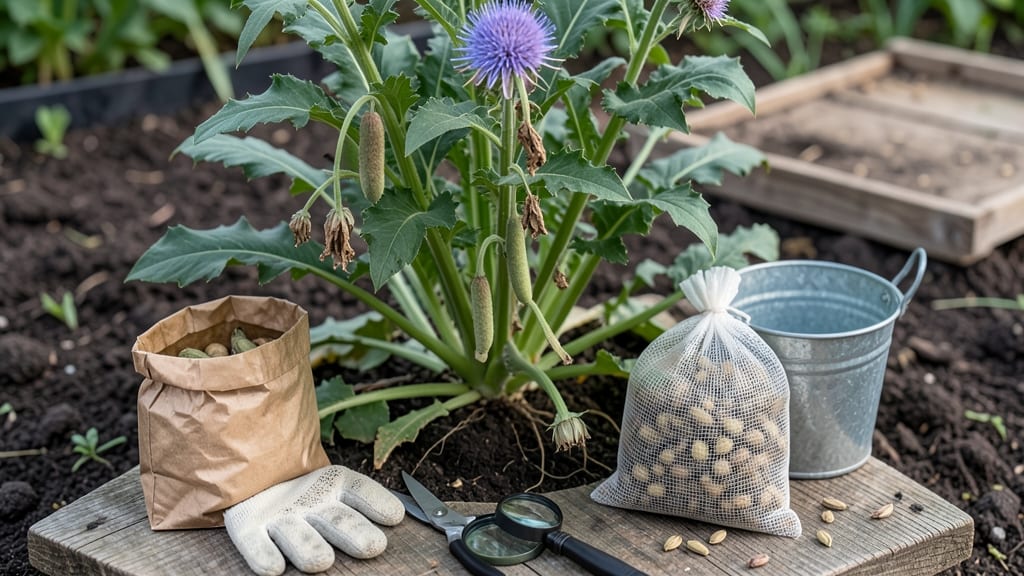
Harvesting chicory seeds at the right time means catching them when the stems turn woody and the pods crack open—before wind or pests steal your crop.
If you’ve ever watched your chicory plants’ stems harden and pods split, only to lose the seeds to a breeze or hungry critters, you know how frustrating it can be.
But with the right timing and techniques, you can turn a haphazard harvest into a reliable one, ensuring plenty of seeds for next year’s garden.
This guide covers everything from spotting the perfect moment to collect seeds—when flower heads turn brown and rattle—to the best methods for drying and storing them without mold or waste.
Whether you’re a home gardener or a small-scale grower, these steps will help you maximize your yield and keep your chicory thriving for seasons to come.
You’ll also learn how to troubleshoot common issues like premature seed drop or stubbornly closed pods, so you can salvage even the trickiest harvests. Let’s get started!


When and how to identify chicory seeds ready for harvesting
Harvesting chicory seeds at the perfect moment means the difference between a bountiful yield and scattered waste. The key lies in watching for three critical cues: stem woodiness, pod cracking, and color shifts.
When your chicory plants' stems feel hard and hollow—like a pencil—it’s time to pay closer attention. This woodiness signals the plant is redirecting energy to seed production, not leaf growth.
Meanwhile, the flower buds will transform from vibrant blue to a deep, papery brown, a clear sign maturity is near.
Timing your harvest correctly also depends on the time of day. Morning harvests are ideal because the dew has evaporated, reducing humidity that can cause mold. Plus, the seeds are less likely to scatter when the pods are still slightly damp.
If you must harvest in the afternoon, do so before 4 PM to avoid the heat stressing the delicate seeds. Pro tip: Shake a seed head gently—if it rattles with a dry sound, the seeds are ready to collect.
Here’s a quick reference to help you spot ripe chicory seeds at a glance, along with the best practices to maximize your harvest:
One of the biggest mistakes I’ve seen is waiting too long—when the pods split open naturally, seeds scatter everywhere. If you notice cracked pods but the seeds inside are still green or soft, they’re not ready.
These seeds won’t store well and may not germinate. Instead, harvest when the pods are dry but intact, then finish drying them indoors. This ensures you capture every last seed without waste.
Pay attention to the weather forecast too. If rain is predicted within 24 hours, harvest immediately, even if the pods aren’t fully dry. Wet seeds can mold or rot, ruining your entire harvest.
On the flip side, if the forecast calls for hot, dry days, take advantage by harvesting in the morning and letting the pods dry out naturally on a breathable mesh screen under a shaded area. This mimics the plant’s natural drying process and preserves seed quality.
Another pro tip: Label your plants as they mature. Chicory can bolt unevenly, meaning some flower heads may ripen weeks before others. By marking plants with colored flags or stakes, you can prioritize harvesting the earliest-ripening ones first.
This staggered approach ensures you don’t miss any seeds and can extend your harvest window by 2-3 weeks compared to harvesting all at once.
For gardeners in USDA Zone 6 or warmer, aim to harvest chicory seeds between late August and October. In cooler zones, start monitoring pods in mid-September to avoid early frosts.
If frost threatens before the seeds are ready, harvest the entire plant, hang it upside down in a dry, dark place, and let it dry completely. This trick works surprisingly well for salvaging seeds when time runs short.
Finally, don’t overlook the tactile test. Run your fingers over a seed head—ripe seeds should feel smooth and slightly rough, like tiny grains of sand. If they’re sticky or gummy, they’re not ready.
Once you’ve confirmed ripeness, use clean, dry scissors or pruners to snip the seed heads just above the first set of leaves. This encourages the plant to produce more flowers and seeds for a second harvest if conditions allow.
With these cues and timing tips, you’ll go from guessing when chicory seeds are ready to harvesting with confidence—turning what was once a frustrating process into a rewarding one. Happy harvesting! 🌱
Step-by-Step chicory seed harvesting techniques to avoid waste
Harvesting chicory seeds requires patience and precision to preserve their viability and prevent waste. Once your chicory plants develop brown, dry flower heads, the seeds inside are ready—but timing matters. A hasty harvest can scatter seeds, while waiting too long risks mold or pests ruining your yield.
The key is to work gently and efficiently, using the right tools and techniques to collect seeds without damaging the delicate pods.
Start by selecting a dry, sunny morning for harvesting when humidity is low. This reduces the risk of seed moisture loss and makes handling the brittle pods easier. Wear gloves and long sleeves to protect your skin from the plant’s milky sap, which can irritate sensitive skin.
Gather your tools—clean scissors or pruners, breathable paper bags, and a flat surface for drying—before you begin. This preparation ensures a smooth harvest process from start to finish.
How to Harvest Chicory Seeds
- 🌱 Step 1: Identify Mature Seed Heads
Look for fully brown, dry flower heads that rattle when shaken. Avoid harvesting if seeds are still green or soft—this means they’re not fully mature. - 🪴 Step 2: Cut Seed Heads Gently
Use clean pruners or scissors to snip the entire seed head from the stem, leaving a 1-inch stem attached. This prevents seeds from scattering during collection. - 💧 Step 3: Lay Heads on Paper Towels
Place each seed head on a flat, dry surface (like a paper towel) to allow air circulation. Avoid stacking heads to prevent mold growth from trapped moisture. - ✂️ Step 4: Strip Seeds by Hand
Once pods are completely dry (3-5 days), gently rub the seed heads between your fingers or use a soft brush to release seeds into a breathable container. - 🌿 Step 5: Store Seeds Properly
Transfer seeds to a paper envelope or breathable cloth bag and store in a cool, dry place (like a seed vault or airtight container with silica gel). Label with the harvest date!
One common mistake is harvesting seeds too early, which results in low germination rates. Always wait until the flower heads are fully brown and crispy—this ensures seeds are mature and ready for storage.
If you notice green seeds or soft pods, give them another week to dry on the plant. Patience here pays off with higher-quality seeds for next season’s garden.
For large harvests, consider using a breathable mesh bag to collect seeds directly from the plant. This reduces handling and minimizes seed loss from wind or accidental drops. Once collected, spread seeds on a screen or tray in a well-ventilated area for 2-3 days to ensure complete dryness.
Avoid using plastic bags, as trapped moisture can lead to mold or rot, ruining your entire harvest.
Labeling your seeds is a game-changer for future planting. Include the harvest date and variety on each storage container to track freshness and germination potential. Chicory seeds remain viable for 2-3 years when stored properly, so clear labeling ensures you don’t mix varieties or lose track of your hard-earned harvest.
With these techniques, you’ll transform seed harvesting from a frustrating guessing game into a rewarding, low-waste process. Soon, you’ll have a stash of high-quality chicory seeds ready to replant—saving money and ensuring your garden thrives year after year. Happy harvesting! 🌱