
How To
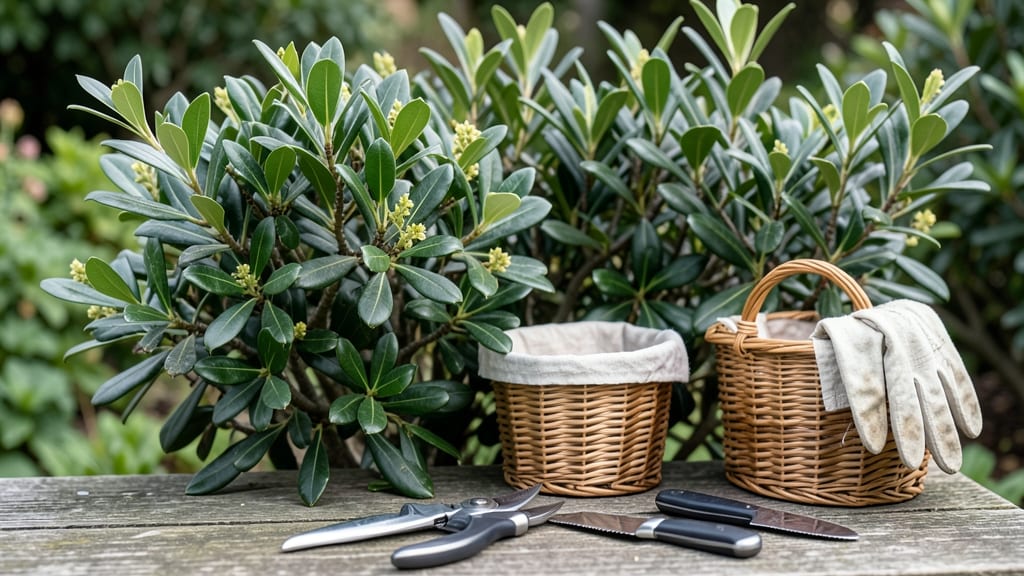
Harvesting bay leaves at the right time unlocks their boldest flavors and aromatic potential 🌿 — a game-changer for both your kitchen and garden.
Fresh bay leaves can elevate your cooking from ordinary to extraordinary—but harvesting them at the wrong time means losing that bold flavor and aromatic potential. Whether you're drying them for winter soups or using them fresh in marinades, timing is everything.
Most gardeners don’t realize that leaves harvested before flowering pack the most intense flavor, while over-pruning can stress the plant and reduce future yields. The key is knowing when to pick, which leaves to choose, and how to store them properly to preserve that fresh-picked taste for months.
In this guide, I’ll walk you through the exact steps to harvest bay leaves—from identifying the perfect leaves to drying and storing them for maximum flavor. You’ll also learn how to keep your bay laurel healthy so it keeps producing year after year.


When to harvest bay leaves for peak flavor and aroma
Timing is everything when harvesting bay leaves from your bay laurel tree. The best flavor and aroma come from leaves harvested at the right maturity stage—just before flowering or when fully developed but still tender.
Unlike many herbs, bay leaves can be harvested year-round, but seasonal differences affect flavor intensity. Understanding these nuances ensures you bring home leaves packed with culinary potential.
In spring, after the last frost, is the ideal time to harvest bay leaves for their most robust flavor. This is when the plant is actively growing and producing new, vibrant leaves.
However, fall harvests also yield flavorful leaves, especially in warmer climates where the plant continues growing late into the season. Climate plays a critical role—cooler regions may limit harvests to spring and early summer, while Mediterranean climates allow for extended harvest windows.
Here’s a quick reference to help you identify the perfect harvesting window based on your bay laurel’s growth stage and location:
| Season | Best Time to Harvest | Leaf Maturity | Climate Considerations |
|---|---|---|---|
| Spring | After last frost, before flowering | Dark green, glossy, 2-4 inches long | Ideal in all climates; avoid frost damage |
| Summer | Early to mid-season, avoid drought stress | Fully formed, slightly leathery texture | Hot climates: harvest early morning; cool climates: limit harvests |
| Fall | Before first frost, or year-round in warm climates | Mature, aromatic, no signs of yellowing | Mediterranean climates: harvest until late fall |
| Winter | Avoid in cold climates; limited harvests in mild climates | Only use mature leaves; new growth is weak | Dormant in frost-prone areas; minimal flavor |
To ensure peak flavor, focus on harvesting mature leaves that are dark green and glossy. Avoid leaves that are small, pale, or yellowing, as these indicate stress or immaturity.
A good rule of thumb is to harvest leaves that are 2-4 inches long—these strike the perfect balance between tenderness and robust flavor. If your bay laurel is younger than 2 years old, limit harvesting to a few leaves at a time to avoid stunting its growth.
Climate significantly impacts harvest timing. In USDA Zone 6 or cooler, prioritize spring and early summer harvests when the plant is most active. In warmer zones (7-10), you can extend harvests into fall and even winter, provided temperatures stay above freezing.
Always harvest on a dry, sunny morning to maximize flavor retention and minimize moisture loss. This simple habit can make a noticeable difference in the potency of your dried or fresh bay leaves.
Never harvest leaves from a flowering bay laurel, as this diverts energy away from leaf production and reduces flavor quality. Instead, focus on non-flowering branches with healthy foliage.
If your plant is over 3 years old, you can prune older wood to encourage new growth, but always leave at least one-third of the foliage intact to maintain the plant’s health. This balance ensures your bay laurel remains productive for years to come.
One common mistake is harvesting too many leaves at once, which can stress the plant. Limit your harvest to one-third of the plant’s foliage per session, and avoid cutting into new growth.
If you’re growing a dwarf variety, be even more conservative—these plants are slower to recover from heavy pruning. By following these guidelines, you’ll preserve your bay laurel’s vigor while enjoying a steady supply of high-quality leaves.
Pro tip: Label your harvests by season if you’re drying leaves for storage. Spring-harvested leaves often have the most intense flavor, while fall leaves can be slightly milder but still aromatic.
Storing them separately allows you to match flavor profiles to your culinary needs—think robust soups in winter or delicate fish dishes in summer. This attention to detail elevates your cooking and ensures no flavor is wasted.
Finally, pay attention to your bay laurel’s growth patterns. If leaves appear smaller or less aromatic than usual, it may be time to fertilize lightly or adjust watering habits.
A healthy plant produces the best leaves, so prioritize well-draining soil, moderate watering, and partial shade to full sun. With the right care, your bay laurel will reward you with abundant, flavorful leaves for decades.
🌿
Step-by-Step guide to harvesting bay leaves without damaging the plant
Harvesting bay leaves is an art—one that balances flavor preservation with plant health. If you prune too aggressively, your bay laurel tree may struggle to recover, while improper timing can leave you with bitter, underdeveloped leaves.
The key lies in selective pruning and knowing exactly when and how to harvest for the best results.
Before you reach for your pruners, gather the right tools: sharp pruning shears, sterilized scissors, and a small bucket or container to hold your harvest. I always keep a spray bottle of water or diluted neem oil nearby to protect any exposed cuts from pests or disease.
This simple setup ensures a clean, efficient harvest that keeps your plant thriving.
How to Harvest Bay Leaves Safely
- 🌿 Step 1: Wait for Mature Leaves – Harvest only dark green, glossy leaves that are fully developed. Avoid new growth or leaves near flowers, as they’ll be bitter or underdeveloped.
- ✂️ Step 2: Use the Right Tools – Sterilize your pruners or scissors with rubbing alcohol to prevent spreading disease. Sharp tools make cleaner cuts, reducing stress on the plant.
- 🌱 Step 3: Prune Strategically – Cut just above a leaf node (the bump where leaves grow) at a 45-degree angle. This encourages new growth while keeping the plant’s shape intact.
- 💧 Step 4: Limit Harvests to 1/3 of the Plant – Never remove more than one-third of the foliage in a single session. Over-pruning weakens the tree and reduces future yields.
- 🌳 Step 5: Harvest Year-Round (With Caution) – Bay laurel trees produce leaves year-round, but avoid heavy pruning in late fall or winter when the plant is dormant.
- 🌿 Step 6: Store Fresh Leaves Properly – Rinse leaves in cool water to remove dust, then pat dry. Store in a paper towel-lined container in the fridge for up to 2 weeks or dry for long-term use.
Timing your harvest is just as critical as technique. In spring and early summer, your bay laurel tree produces the most flavorful leaves, so prioritize harvesting during these months.
If you live in a warmer climate, you can harvest year-round, but always avoid pruning during heatwaves or extreme cold, as these conditions stress the plant.
One common mistake I see is harvesting leaves that are too young or too old. Young leaves lack flavor, while old, brittle leaves release bitter compounds. Always check for dark green color and firm texture—these are your cues for a perfect harvest.
Pro tip: Harvest in the morning when essential oils are at their peak concentration for the boldest flavor.
After harvesting, give your bay laurel tree some TLC to recover. Water it deeply if the weather is dry, and avoid fertilizing for 4-6 weeks to let the plant focus on regrowth. With the right care, your tree will reward you with abundant, flavorful leaves for years to come.