
How To
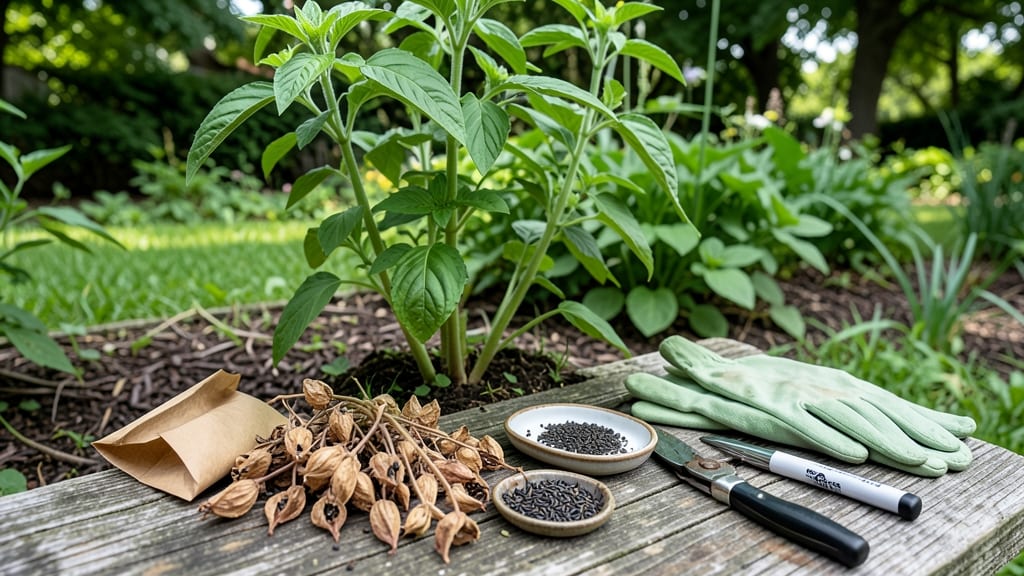
Harvesting basil seeds from your own plants saves money and ensures you’ll always have fresh 🌿—but timing is everything. Did you know that every basil plant you grow can become a seed source for next year’s garden—if you know the right time to harvest?
Most gardeners focus on harvesting leaves, but those delicate white flowers are where the magic happens. When they turn brown and the pods crack open, that’s your cue to act before the seeds scatter or mold sets in.
In this guide, I’ll walk you through the exact steps to spot ripe seed pods, collect them properly, and dry them for maximum viability. Skip the guesswork and learn how to turn this year’s basil into next year’s thriving plants.
Whether you’re a beginner or a seasoned gardener, you’ll leave here knowing when to harvest, how to store seeds, and why some varieties yield better than others. Let’s get started!


When to harvest basil seeds: identifying the perfect ripeness stage
Harvesting basil seeds at the right moment transforms your garden into a self-sustaining herb factory. The key lies in watching for brown, dried flowers and cracked seed pods—signs your plant is ready to share its genetic legacy.
Miss this window, and those precious seeds will scatter or lose viability, leaving you scrambling for next year’s supply.
Most basil varieties follow a 60-90 day timeline from planting to seed readiness, but regional climates shift this window. In USDA Zone 6a (like much of the Midwest), seed pods typically mature between late July and early September.
Warmer zones like Zone 9b may see seed readiness as early as June, while cooler coastal areas might extend it to October.
Here’s the visual checklist I use: first, the white flowers turn pale yellow, then brown as they dry. Next, the seed pods (those tiny oval structures) swell and develop a papery texture.
When you gently shake them, you’ll hear seeds rattling inside—this is your cue that harvest time has arrived.
🌿 Step-by-Step Guide to Harvesting Basil Seeds
- 🔍 Monitor flower color: Wait until 90% of flowers turn from white to dry brown (usually 4-6 weeks after flowering begins).
- 🌱 Check pod texture: Gently squeeze a seed pod—if it feels crispy and cracks easily, seeds are ready. Green pods mean wait 1-2 more weeks.
- 💧 Avoid overwatering: Reduce watering 2 weeks before harvest to prevent mold. Let soil dry slightly between waterings.
- ✂️ Trim flower stems: Use clean pruning shears to cut entire flower clusters (not individual pods). Include 1 inch of stem for stability.
- 🌞 Dry in a warm, dry place: Lay stems on a paper towel in indirect sunlight for 7-10 days. Avoid direct sun to prevent seed burning.
- 🌾 Extract seeds: Once pods are completely dry, rub them between your fingers or gently crush them to release seeds into a bowl.
💡 Pro Tip: Label each batch with the harvest date and basil variety (e.g., "Genovese - Aug 2024") to track freshness.
Climate plays a huge role in timing. In humid Southern climates (like Florida), basil often bolts early, so I harvest seeds by mid-August to avoid fungal issues. Meanwhile, in dry desert zones (like Arizona), I wait until September when pods fully mature without rotting.
Always adjust your schedule based on local rainfall—too much moisture speeds up decay.
One common mistake I’ve seen is harvesting seeds too early. Green pods contain underdeveloped seeds that won’t germinate. Test readiness by squeezing a pod: if it releases powdery seeds (not green goo), you’re golden. If it’s still firm, give it another week.
For container-grown basil, timing shifts slightly. Potted plants often mature 2-3 weeks faster due to better air circulation. I’ve found that dwarf varieties (like 'Spicy Globe') produce seeds 10-14 days earlier than standard types.
Always check the pod color over the calendar date—your plant’s signals matter more than the clock.
Once you’ve mastered the visual cues, you’ll spot the perfect moment like a pro. The brown flowers and crispy pods are nature’s way of saying, “It’s time!” Don’t let those seeds go to waste—your future pesto patches depend on it.
🌱 Remember: Patience is key. Rushing the harvest means lower germination rates, while waiting too long risks seed loss to birds or weather. Strike that balance, and you’ll have a year-round supply of homegrown basil.
How to collect and dry basil seeds properly for maximum viability
Once your basil flowers have fully matured and turned brown and crispy, it’s time to collect those seeds before they scatter. The key to high seed viability lies in proper drying and handling—skipping this step can leave you with seeds that won’t germinate.
I’ve learned the hard way that rushing the process leads to moldy seeds or poor sprouting rates, so let’s dive into the best methods to preserve them.
Start by gently removing the dried seed pods from the basil plant using clean, dry hands or small pruning shears. Place them in a paper bag or mesh drying bag to allow airflow—this prevents moisture buildup, which is critical for avoiding mold.
Avoid plastic bags, as they trap humidity and can ruin your seeds before they’re even stored.
⚠️ callout warning
Packing seeds too tightly during drying traps moisture, causing mold growth and reduced viability. Space pods at least 1 inch apart in your drying bag or on paper towels. Also, never dry seeds in direct sunlight—heat can scorch them before they’re fully dehydrated.
For the paper method, lay the seed pods on a clean sheet of paper in a single layer. Place them in a warm, dry location (like a sunny windowsill or under a fan) for 7-10 days.
Stir them gently every 2-3 days to ensure even drying. You’ll know they’re ready when the pods crack open easily and the seeds inside look dark and dry.
If you prefer mesh drying bags, simply place the pods inside and hang them in a well-ventilated area. This method speeds up drying while keeping seeds contained—perfect for preventing loss. Once fully dry, gently crush the pods with your fingers or a rolling pin to release the seeds.
Store them in a paper envelope or airtight container with a silica gel packet to absorb any remaining moisture.
Label your seeds with the harvest date and basil variety—this helps track freshness. Basil seeds stay viable for 1-2 years if stored in a cool, dark place (like a fridge or freezer).
Before planting, test a few seeds by pressing them between your fingers—they should feel hard and dry, not brittle or sticky.
Pro tip: If you notice white mold or a musty smell during drying, discard those seeds immediately and restart the process with fresh pods. Patience is key—rushing the drying phase is the #1 reason seeds fail to germinate later.