
Vegetables
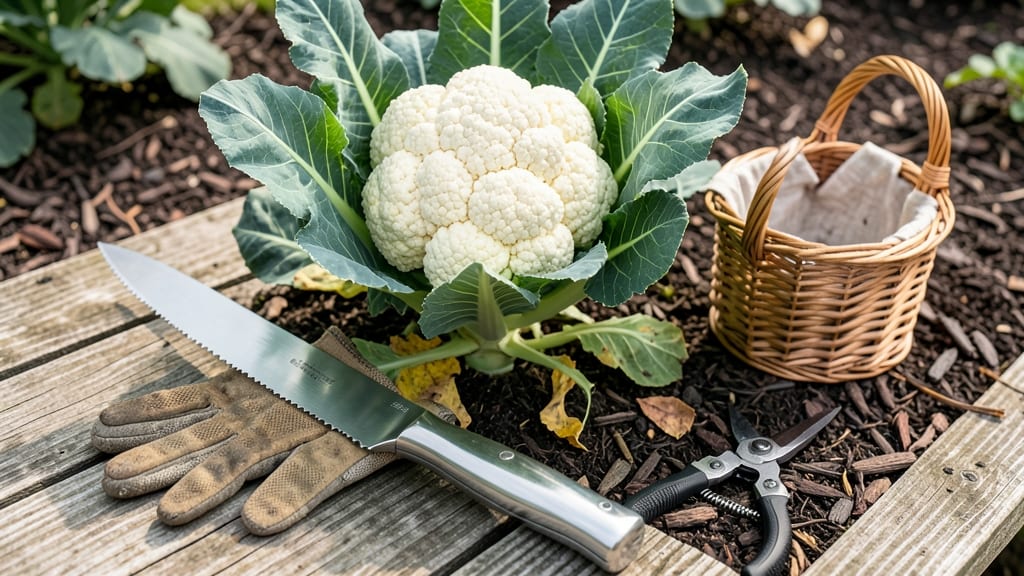
Timing the harvest of cauliflower is everything—pick too early, and you’ll waste a head; too late, and it turns tough and bitter.
Cauliflower lovers know the frustration of cutting into a head only to find it’s still too young—or worse, woody and tough. But with these 3 tactile tests, you’ll master the perfect harvest time for cauliflower, ensuring crisp, flavorful heads every time.
Most varieties reach maturity in 80 days, but heat, humidity, and soil quality can shift that window. The key is checking firmness, color consistency, and bud tightness—signs that tell you exactly when to grab your knife.
Below, I’ll walk you through each test, plus how to handle the plant after cutting to keep more heads coming. No more guesswork, just perfect cauliflower every harvest.

3 Tactile tests to determine perfect cauliflower harvest time
There’s nothing worse than slicing into a cauliflower head only to find it’s still too young or—even worse—woody and tough. The good news? With these 3 tactile tests, you can determine the perfect harvest time for cauliflower by simply using your hands and eyes.
No guesswork required! These methods work for both white and purple varieties and ensure you get that ideal crisp, flavorful texture every time.
Cauliflower heads mature at different rates depending on variety, weather, and growing conditions. While most varieties take 70-100 days to reach harvest, relying on days-to-maturity alone can lead to disappointment.
Instead, focus on these physical cues to guarantee success. I’ve used these tests for years in my garden, and they’ve helped me avoid both underripe and overripe heads entirely.
Gently squeeze the head with your thumb and forefinger. A mature cauliflower feels solid and firm, almost like a dense cabbage. If it feels soft or mushy, it’s overripe. If it’s loose or spongy, it needs more time.
Look closely at the curds (the small florets) inside the head. For white cauliflower, they should be creamy white with no green. For purple varieties, the color should be deep and even. Pale or uneven color means it’s not ready.
Pull back the outer leaves to inspect the head’s surface. The buds should be tightly packed with no gaps. If you see open florets or yellowing leaves, the head has passed its prime. Tight buds = perfect harvest time!
One common mistake I see is overlooking the stem thickness. A mature cauliflower head has a thick, sturdy stem—almost like a small tree trunk. If the stem feels hollow or woody, the head is past its peak.
This is especially important for larger varieties, which can become tough if left too long on the plant.
Another pro tip? Avoid testing heads in extreme weather. If temperatures are below 50°F or above 85°F, the cauliflower’s growth slows or accelerates unpredictably, making tactile tests less reliable.
Harvest in mild, sunny mornings for the most accurate results. I’ve found that late afternoon harvests can sometimes yield slightly softer heads due to heat stress.
What about smaller varieties, like those perfect for container gardening? The same rules apply, but pay extra attention to head size. Dwarf cauliflower varieties (like ‘Purple of Sicily’) may only reach 4-6 inches in diameter at maturity.
Use your fingers to gauge firmness—these tiny heads can be just as crisp and flavorful as their larger counterparts if harvested at the right time.
If you’re growing multiple cauliflower plants, don’t assume they’ll all mature simultaneously. Some varieties, like ‘Snowball Y Improved’, can have a 3-4 week harvest window. Check each head individually using these tests to avoid missing the perfect moment.
I once harvested a batch where half were ready while the others needed another week—talk about a lesson learned!
One final warning: never harvest cauliflower in the rain. Wet heads can develop rot or bacterial soft rot quickly, especially if the outer leaves are damaged.
Always harvest on a dry day and trim the stem 1-2 inches below the head to encourage any remaining side shoots to grow into edible heads.
Mastering these 3 tactile tests will transform your cauliflower harvests from hit-or-miss to consistently perfect. Next time you’re in your garden, take a moment to touch, squeeze, and inspect—your taste buds will thank you!
With practice, you’ll develop an almost instinctive sense for when to pick, ensuring your cauliflower is always at its peak.
Best harvesting techniques for cauliflower: cutting, handling, and storage tips
Harvesting cauliflower at the right moment ensures you enjoy crisp, flavorful heads instead of tough, woody ones. The key lies in timing, technique, and post-harvest care. Once your cauliflower passes the 3 tactile tests for maturity, follow these steps to harvest without damaging the plant or sacrificing future yields.
Start by gathering your tools: a sharp knife or pruners, a clean basket, and gardening gloves to protect your hands. Work on a dry, sunny morning when the heads are firm and moisture levels are low.
This reduces the risk of rot and makes handling easier. Remember, rushing the harvest can lead to underdeveloped heads, while waiting too long results in bitter, fibrous curds.
-
Step 1: Identify the Perfect Head
Look for firm, compact heads measuring 6-8 inches in diameter. The outer leaves should remain green and tightly wrapped, and the curd should feel solid when gently squeezed. -
Step 2: Use the Right Cutting Tool
Grab a sharp knife or pruners and cut the stem 1-2 inches below the head. Avoid tearing the plant, as this can damage future growth. Leave a few outer leaves attached to protect the head from sun exposure. -
Step 3: Handle with Care
Place the harvested head in a shallow basket or container to avoid bruising. Avoid stacking heads, as this can cause soft spots or rot. If harvesting multiple heads, work systematically to prevent overcrowding. -
Step 4: Post-Harvest Cleaning
Rinse the head gently under cool water to remove dirt, but avoid soaking it. Pat dry with a clean towel or paper towels. Remove any yellowed or damaged outer leaves, but leave the green protective layer intact. -
Step 5: Store Properly for Freshness
Store cauliflower in the crisper drawer of your fridge for up to 5-7 days. For longer storage, wrap the head in a damp paper towel and place it in a plastic bag with small air holes. Alternatively, freeze whole or chopped heads for up to 8 months.
After harvesting, don’t discard the plant just yet! If your cauliflower variety produces side shoots, you can encourage secondary heads by trimming the main stem and providing consistent care. Keep the soil moist but well-drained, and ensure the plant receives 6-8 hours of sunlight daily.
Side shoots may take 4-6 weeks to mature, but they’re a great way to maximize your yield.
For long-term storage, consider fermenting or blanching your cauliflower heads. Blanching preserves nutrients and texture—simply boil the heads for 3 minutes, then plunge them into ice water before drying and freezing.
This method extends shelf life to up to a year while maintaining quality. Always label your stored cauliflower with the harvest date to track freshness.
If you’re growing cauliflower in containers or small spaces, harvest smaller heads more frequently to prevent overcrowding. This approach also encourages continuous production throughout the growing season.
Just remember: patience and precision are key to a successful harvest. With these techniques, you’ll enjoy homegrown cauliflower at its peak flavor and texture all season long! 🥬✂️🌱