
Picking
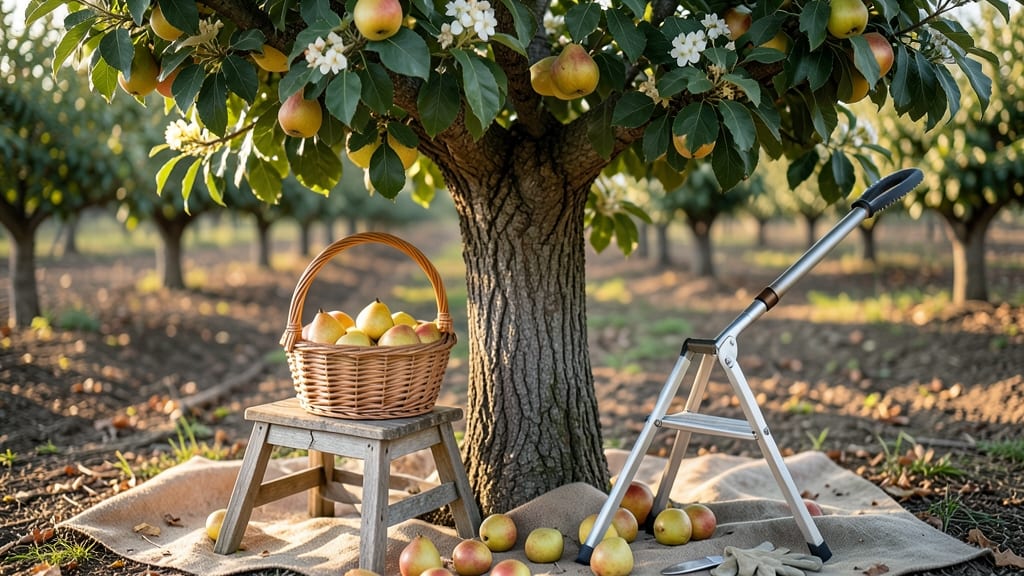
Harvesting Bartlett pears at the right time means the difference between sweet, juicy fruit and mealy disappointment — and the key is knowing when those 🍐 slip from the tree with just a gentle twist.
Picture this: you’ve waited all season for those pears to ripen, only to bite into one that’s still hard or worse, already mushy. That’s why timing matters more than you think.
In most regions, Bartlett pears reach peak harvest between late August and October, but cooler zones like 6a may need to wait until September. The trick? Watch for skin that yields slightly when pressed and a core that’s fully brown.
Below, I’ll walk you through the exact tests to nail your harvest window, plus how to store or use your pears once they’re off the tree.

How to determine Bartlett pear harvest time by skin and core tests
Timing the Bartlett pear harvest perfectly ensures you get fruit that’s sweet, juicy, and ready to eat fresh or store for later. Unlike some fruits that ripen after picking, Bartlett pears must be harvested at the right moment—they won’t soften further once picked.
The two most reliable methods are the skin slip test and core softness check, combined with monitoring growing degree days (GDD) for precision.
Start by checking the fruit’s skin color—ripe Bartletts shift from bright green to a yellow-green hue with a faint blush. However, color alone isn’t enough; you’ll need to combine it with the physical tests below to avoid under- or overripe pears.
Remember, Bartletts are climacteric fruit, meaning they ripen best after harvest, but only if picked at the right stage.
🌱
- 1
- 2
- 3
- 4
- 5
For precision timing, combine these tests with growing degree days (GDD), a science-backed method that accounts for your local climate. GDD measures heat accumulation, which is critical for Bartletts.
In USDA Zone 6, for example, pears usually reach harvest readiness around 1,100 GDD post-bloom, while Zone 8 may need closer to 1,200 GDD. Use a free GDD calculator (like the one from the University of Georgia) to track progress.
If you’re in a warmer climate (Zones 7–9), start testing in late August and harvest by mid-September to avoid overripeness. In cooler zones (Zones 4–6), begin checks in early September and aim to finish by late September to prevent frost damage.
Always harvest on a dry morning to reduce bruising and extend storage life.
Pro tip: Tag your trees when you first notice color changes. This helps you monitor progress and ensures you don’t miss the window. If you’re unsure, err on the side of waiting 2–3 days—overripe Bartletts become mealy and lose flavor, while underripe ones may never soften properly.
Once harvested, store pears in a cool (32–40°F), humid (90–95%) environment to slow ripening. A paper bag with an apple (which releases ethylene gas) can speed up softening if you need them ready sooner. With these tests, you’ll nail the perfect Bartlett pear harvest time every season!
🌿
Best Bartlett pear harvest time by region: USDA zones and climate variations
Timing your Bartlett pear harvest depends heavily on your USDA zone and local climate. In warmer zones (7+), pears may ripen as early as late August, while gardeners in cooler zones (4-6) often wait until September or October to avoid frost damage.
Understanding these variations ensures you pick fruit at peak sweetness and texture.
First-frost dates are your biggest enemy—Bartlett pears won’t ripen properly after frost. In Zone 4-6, aim to harvest 2-3 weeks before the average first frost. Meanwhile, gardeners in Zone 7+ can often stretch harvests later into fall, thanks to milder temperatures.
Early varieties like 'Moonglow' may ripen first, while 'Seckel' pears lag slightly behind.
| USDA Zone | Harvest Window | Key Climate Notes | Frost Risk |
|---|---|---|---|
| 4-6 (Cool) | Late August - Mid-September | Short growing season; prioritize early varieties | High (harvest before first frost) |
| 7-8 (Temperate) | Mid-September - Early October | Moderate season; can extend harvest with row covers | Moderate (late frosts possible) |
| 9-10 (Warm) | Late September - November | Long season; late varieties thrive | Low (rare frosts) |
In Zone 4-6, I always check the 10-day forecast starting in early September. If frost is predicted within 2 weeks, I harvest everything—even slightly underripe pears—to ripen indoors. A row cover can buy you 2-3 extra weeks in borderline zones, but it’s not foolproof.
For Zone 7+, I focus on the skin slip test rather than dates, since warm weather can delay ripening.
Adjust for early vs. late varieties: 'Moonglow' pears often ripen 2 weeks earlier than standard Bartletts, while 'Seckel' pears may need 10-14 extra days.
In my Zone 8 garden, I’ve had success leaving Seckel pears on the tree until mid-October, but only if temperatures stay above 50°F at night. Always monitor your local growing degree days (GDD)—Bartletts typically need 1,000-1,200 GDD after bloom.
Pro tip: In cooler climates, harvest early-maturing varieties first and let late varieties stay on the tree longer. This staggered approach spreads out your harvest and reduces waste. Store pears at 32-35°F and 85-90% humidity to slow ripening if you can’t process them immediately.
With the right timing, you’ll enjoy perfectly sweet Bartlett pears straight from your tree! 🍐
Remember, overripe pears become mealy and lose flavor, while underripe ones stay hard and tart. The skin slip test is your best friend—if the pear detaches with a gentle twist, it’s ready! Adjust your schedule each year based on your tree’s fruit development speed and local weather patterns. 🌡️